
Respiratory Infections

Celebrating the next generation of innovators in infectious diseases Following the success of the 2025 Future Leaders, touchINFECTIOUS DISEASES is delighted to launch nominations for the Future Leaders 2026 initiative. The infectious diseases landscape continues to evolve rapidly, driven by emerging pathogens, ...

Evaluating high-dose influenza vaccination strategies in older and immunocompromised populations At ESCMID Global 2026, Dr Anne Marie Reimer Jensen (Center for Translational Cardiology and Pragmatic Randomized Trials (CTCPR), Herlev and Gentofte Hospital, University of Copenhagen, Denmark) discussed findings from the FLUNITY-HD ...

At ESCMID Global 2026, Prof. Holly Seale (University of New South Wales in Sydney, Australia) reflected on how conversations around respiratory vaccination needs to evolve, particularly for older adults. While messaging has traditionally focused on hospitalization and mortality, emerging evidence highlights ...

At ESCMID Global 2026, Prof. Holly Seale (University of New South Wales in Sydney, Australia) emphasized the importance of bringing together clinical, behavioral, and public health expertise when preparing for future respiratory threats. As innovation accelerates across vaccines, diagnostics, therapeutics, and ...

At ESCMID 2026, Dr Daniel Pan discusses his research into respiratory virus transmission, health inequalities and the development of new approaches to measuring individual infectiousness. Recognized as a touchINFECTIOUS DISEASES Future Leader 2026 and recipient of a Young Investigator Award, Dr Pan ...

Older adults remain at increased risk of severe influenza outcomes, including hospitalization, cardiovascular complications and death. At ESCMID 2026, Dr Filip S. Davidovski presented findings from a secondary analysis of the DANFLU-2 trial, exploring the effectiveness of high-dose versus standard-dose influenza ...


We often focus on clinical excellence, but spend less time developing broader skills that could help us better lead with purpose and build more fulfilling, impactful careers. In this episode, part of a mini-series in partnership with LEADderm, Dr Jennifer Soung and Denise Mann explore how clinicians can engage with the media to educate, empower and extend their impact beyond the clinic.

In this Q&A, Jarod Hanson, Chief Content Office of ProMED, in affiliation with ISID, discuss how the ProMED platform continues to empower clinicians and epidemiologists worldwide, its evolving integration of AI, and how new partnerships aim to extend its reach into low-resource settings to strengthen the global early warning system.
In our inaugural touchINFECTIOUS DISEASES Future Leaders 2025 campaign, we celebrate early-career clinicians and researchers whose innovation, leadership, and curiosity are already shaping better outcomes in patient care, antimicrobial stewardship, and global health.

In this episode of Visionary Voices, we welcome Associate Professor Grace Vincent from CQUniversity’s Appleton Institute. A leading expert on sleep and shift work, Grace explores how disrupted sleep affects physician health in both the short and long term, as well as its impact on safety and performance. We also discuss what this means for patient outcomes and share practical strategies to manage sleep loss.

Bacteriophage therapy uses viruses to infect and kill harmful bacteria, and is re-emerging as a powerful tool in the fight against multidrug-resistant infections. Once overshadowed by the discovery of antibiotics, this highly targeted treatment is now gaining global attention as antibiotic resistance continues to rise. In this Q&A, Ikechukwu Moses (Division of Infectious Diseases, EPM-UNIFESP, São Paulo, Brazil, explores how phage therapy works, its clinical applications, and what’s needed to bring it into mainstream infectious disease care.

Physician burnout is at a critical point. In this episode, Nicky speaks with Dr Alfred Atanda about why so many physicians are burning out and what can be done to change the trend. From personal experience to system-wide solutions, Dr Atanda shares valuable insights on improving physician well-being and building a more effective healthcare culture.
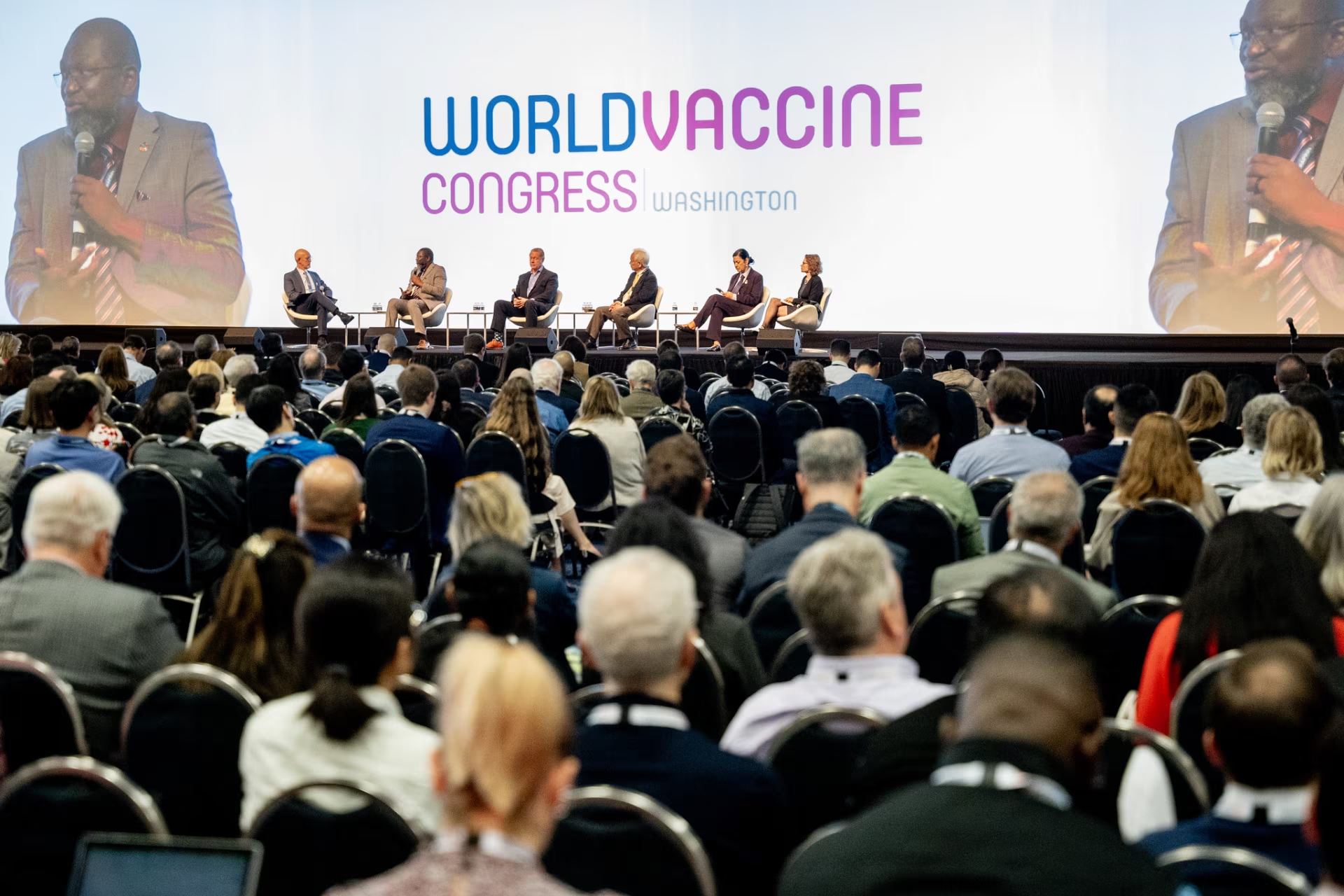
The World Vaccine Congress Washington 2025, 21-24 April 2025, delivered another landmark year, bringing together more than 4,000 global stakeholders from biotechnology, pharmaceuticals, government, academia and the broader global health ecosystem. The event reinforced its standing as an influential and collaborative forum in ...

In this episode, we explore the future of continuing medical education (CME) with the team behind touchIME. Hannah Fisher and Matthew Goodwin share insights into global and US trends, the importance of patient inclusivity and how educational outcomes are evolving to better measure the direct impact of learning on clinical practice and patient care.

Dr. Jon Salmanton-García discusses unmet needs in preventing and treating respiratory infections in haematology patients, highlighting real-world data insights and the urgent need for targeted vaccines and antivirals.
Dr Amesika Nyaku and the touchINFECTIOUS DISEASES team are thrilled to welcome a new editorial board member, Dr Jon Salmanton-García (University of Cologne, Germany), specializing in infectious diseases in immunocompromised patients, with a particular focus on respiratory viral infections ...
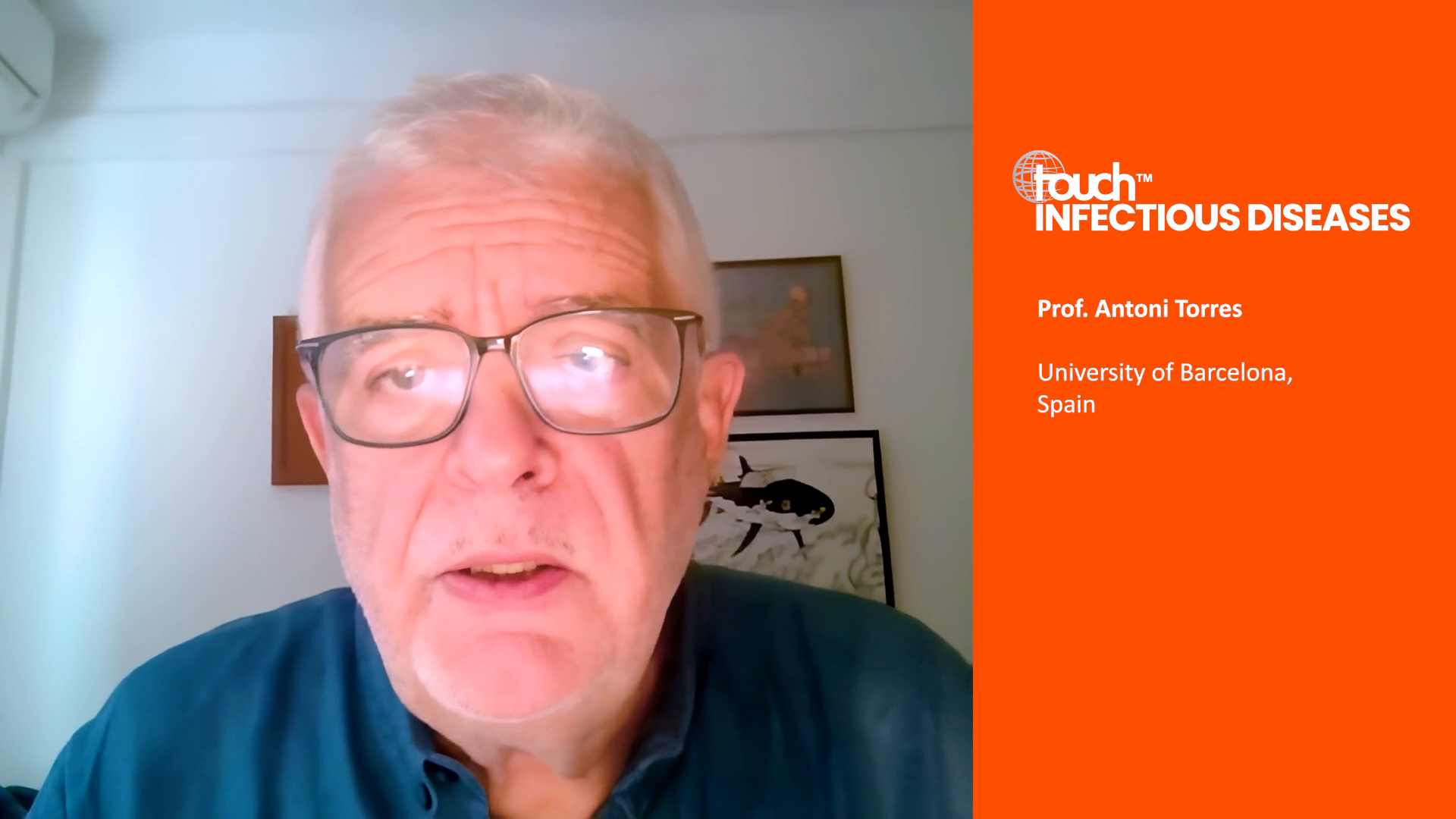
Vaccination strategies for pneumococcal disease: Update and perspectives on clinical need and impact
Prof. Torres discusses the evolution of pneumococcal disease and the impact of novel vaccination strategies.




Log into your Touch Account
Keep track of your clinical interests and newsletter subscriptions.
Sign up with an Email
Or use a .
Register now for FREE access
Already registered? Login below.