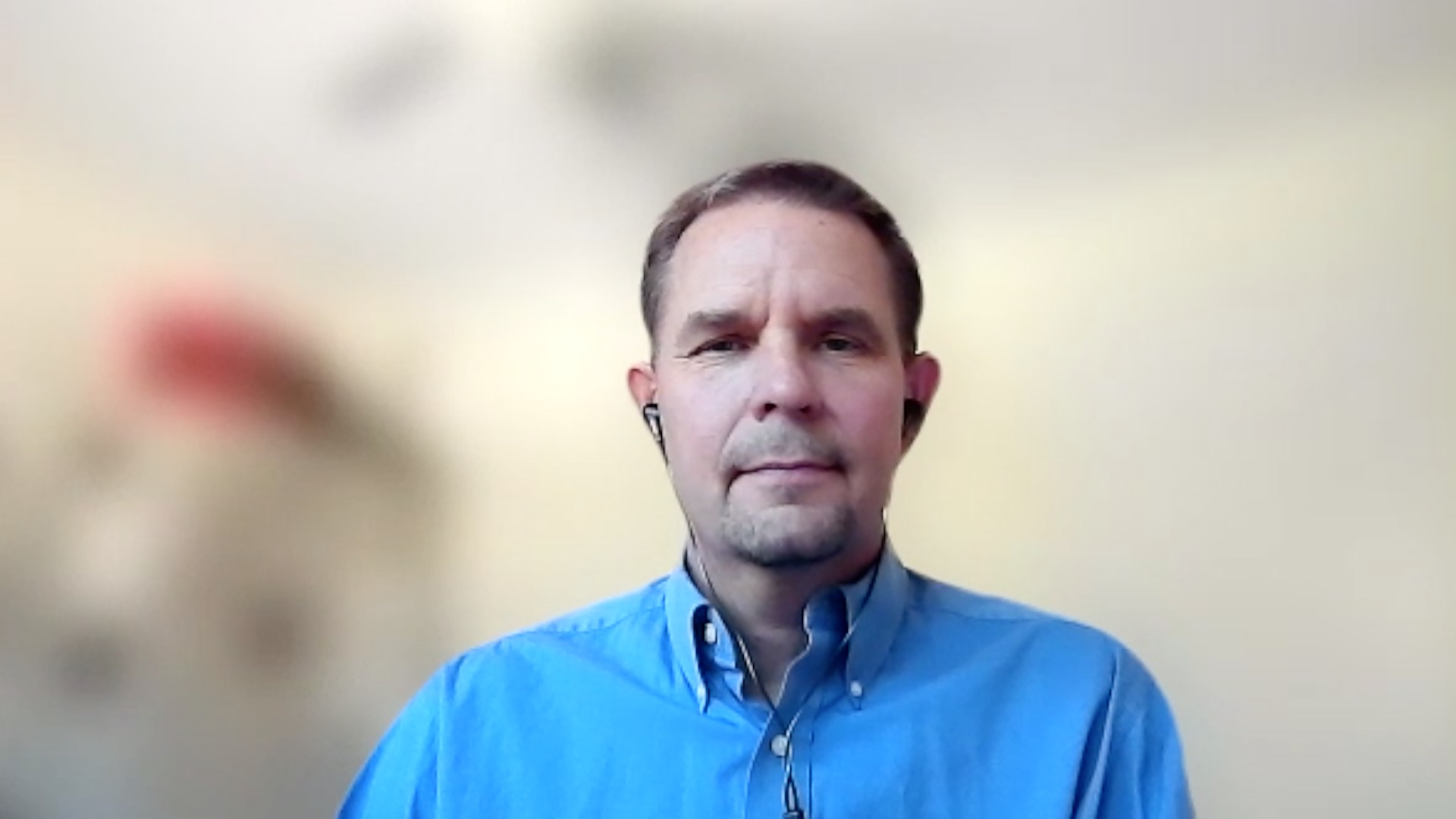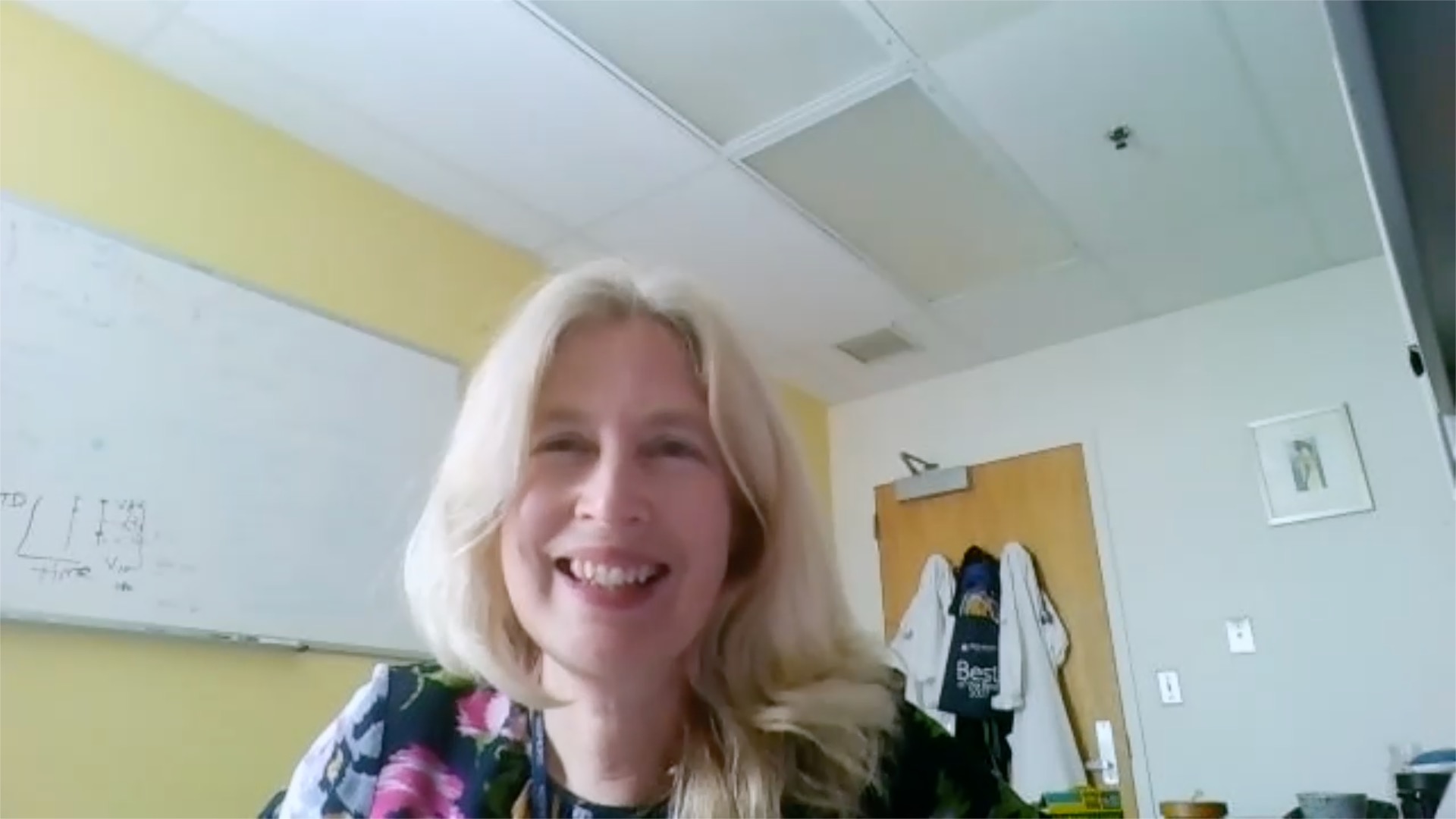
 At ESCMID Global 2026, Prof. Holly Seale (University of New South Wales in Sydney, Australia) reflected on how conversations around respiratory vaccination needs to evolve, particularly for older adults. While messaging has traditionally focused on hospitalization and mortality, emerging evidence highlights broader long-term risks linked to infections such as COVID-19 and influenza, including frailty, cognitive decline, and loss of independence.
In this interview, Prof. Seale discusses how prevention strategies should better reflect what matters most to patients, alongside the role of newer vaccine approaches such as combination vaccines, concurrent vaccination, and equity-focused access programs.
Related session at ESCMID 2026: Session Chair: Holly Seale. The power of COVID-19 prevention: latest insights and implications for clinical practice.
Q. Could you tell us a little about yourself, your background and your current research?
My name is Holly Seale, and I am a social scientist and Professor in the School of Population Health at the University of New South Wales in Sydney, Australia.
My work focuses on how we connect communities, healthcare providers, and health systems with public health strategies. It is wonderful to have a new vaccine, a new treatment, or another mitigation tool, but that does not automatically mean communities will trust it or adopt it.
That is where I come in. My research looks at the policy, program, and systems factors, right through to the individual behavioral drivers, that influence whether people engage with healthcare recommendations.
Q. What lessons have we learned about the longer-term health impacts of COVID-19, particularly around prevention strategies?
One important lesson is that we still tend to communicate about vaccines in very traditional ways. We often focus on reducing hospitalization, severe disease, and mortality. Of course those outcomes matter—but they are not the whole story.
We now know respiratory infections, including COVID-19, may also be linked to frailty, worsening chronic disease, cognitive decline, and cardiovascular outcomes. For older adults especially, frailty is a major issue. Someone hospitalized with a respiratory infection may be less likely to return to independent living and more likely to require long-term care afterward. That is a powerful message, yet we do not talk about it enough.
If we explained that vaccination might help preserve independence, reduce frailty, or lower risks linked to dementia or long-term decline, I think those conversations would resonate far more than repeating older messaging alone. We need to frame prevention around what matters to people’s lives.
Q. How do you see newer vaccine strategies shaping prevention of influenza, COVID-19, and other respiratory infections in older adults?
Older adults now have access to more vaccines than ever before, and that is a very positive development. It reflects a growing commitment to life-course immunization. But more vaccines also mean more complexity. Appointments become longer, decisions become harder, and uptake can suffer.
One future solution may be combination vaccines, similar to those used in childhood programs, where multiple protections are delivered in a single dose. That could make vaccination easier and more efficient. We also need to become more comfortable with concurrent vaccination—giving two vaccines during the same visit. In some settings, there is still hesitancy among both providers and patients, despite evidence that this can be safe and practical.
And of course, we need to use the right vaccine for the right patient. High-dose vaccines, for example, may offer important benefits for some older adults. At the same time, globally, many countries still do not have influenza vaccination programs for older adults, or even for pregnant women. COVID vaccine access has also declined in some places. So we must keep equity front and center. In high-income countries, we often take access for granted. Many others cannot.
Q. Why is it important to bring together clinical, behavioral, and public health expertise when preparing for future respiratory threats?
Because no single discipline can do this alone.
From a social science perspective, we need to understand the latest developments in vaccines, diagnostics, therapeutics, and surveillance systems. If we do not understand the science, it becomes much harder to help governments, health agencies, and clinicians communicate effectively with communities.
Likewise, technical advances will only succeed if people trust them, understand them, and are willing to use them.
That is why multidisciplinary forums like ESCMID Global 2026 are so important. They bring together clinical, laboratory, behavioral, and public health expertise in one place.
I think ESCMID is recognizing the growing importance of social science, which is encouraging. But we still need to be louder in making sure these conversations have dedicated space and real visibility.
Already registered? Login below.
Related content
AMR during conflict: Why war fuels antimicrobial resistance
Respiratory virus transmission and new approaches to measuring individual infectiousness
New evidence for high-dose influenza vaccines in older adults: DANFLU-2 trial
More content in respiratory infections
Cite: Holly Seale. Vaccine strategies shaping prevention of respiratory infections. touchINFECTIOUS DISEASES. 17 March 2026.
Session: Chair: Holly Seale. The power of COVID-19 prevention: latest insights and implications for clinical practice. Presented at ESCMID 2026, Munich, Germany 17 – 21 April 2026
Editor: Katey Gabrysch, Editorial Director.
Disclosures:
The content was developed and edited by human editors. No fees or funding were associated with its publication. touchINFECTIOUS DISEASES utilize AI as an editorial tool (ChatGPT (GPT-4o) [Large language model]. https://chat.openai.com/chat).
This content has been developed independently by Touch Medical Media for touchINFECTIOUS DISEASES in collaboration with XXX. Views expressed are the speaker’s own and do not necessarily reflect the views of Touch Medical Media.
SIGN UP to touchINFECTIOUS DISEASES!
Join our global community today for access to thousands of peer-reviewed articles, expert insights, and learn-on-the-go education across 150+ specialties, plus concise email updates and newsletters so you never miss out.