
Vaccines
An Introduction to Vaccines
Vaccines have substantially reduced morbidity and mortality from infectious diseases in the developed world. Many vaccines, including those for measles and some influenza vaccines, use live attenuated viruses. The COVID-19 pandemic has led to unprecedented rates of vaccine development, raising hopes that other vaccines might be made on a comparable timescale in the future. In particular, it has established the clinical utility of mRNA vaccines,
which have demonstrated high potency, capacity for rapid development and potential for low-cost manufacture and safe administration. In addition, other approaches, including nucleic acid-based vaccines, recombinant DNA platforms, virus-like particle (VLP) based vaccines, non-replicating viral vectors, recombinant nanoparticles and peptide vaccines in active clinical development.
Expert video highlights and insights from the conference hub and comprehensive peer-reviewed articles from our journal portfolio provide updates on the changing treatment landscape. To learn more about how the latest developments impact on patient outcomes view our expert-led learning activities.
Our supporting partners do not constitute an endorsement of the content on this page.



Celebrating the next generation of innovators in infectious diseases Following the success of the 2025 Future Leaders, touchINFECTIOUS DISEASES is delighted to launch nominations for the Future Leaders 2026 initiative. The infectious diseases landscape continues to evolve rapidly, driven by emerging pathogens, ...

International Society for Infectious Diseases provides a global perspective on surveillance, innovation and equity in infectious disease control Infectious diseases remain a defining global health challenge, shaped by rapid scientific advancement and persistent inequities in access to care, knowledge and ...

At ESCMID Global 2026, Prof. Holly Seale (University of New South Wales in Sydney, Australia) emphasized the importance of bringing together clinical, behavioral, and public health expertise when preparing for future respiratory threats. As innovation accelerates across vaccines, diagnostics, therapeutics, and ...

Older adults remain at increased risk of severe influenza outcomes, including hospitalization, cardiovascular complications and death. At ESCMID 2026, Dr Filip S. Davidovski presented findings from a secondary analysis of the DANFLU-2 trial, exploring the effectiveness of high-dose versus standard-dose influenza ...

Vaccine confidence has been significantly challenged in the wake of the COVID-19 pandemic, with implications for routine immunization, vaccine catch-up and equitable access to care. In this Q&A, Prof. Nada M. Melhem, Professor of Infectious Diseases and Microbiology, ...

Environmental enteric dysfunction (EED) is a major but under-recognised driver of childhood stunting, impaired gut immunity and reduced oral vaccine efficacy in high-burden settings. In this Q&A, Prof. Paul Kelly discusses how chronic intestinal inflammation and epithelial damage disrupt gut barrier function, limit nutrient absorption and undermine immune responses, highlighting emerging strategies to restore intestinal health.

The STI & HIV World Congress is the leading global forum on sexually transmitted infections (STIs), HIV, and sexual health. Jointly organized by the International Society for Sexually Transmitted Diseases Research (ISSTDR) and the International Union Against Sexually Transmitted Infections (...

The “PS15 – Co-Chairs’ Choice” session at EACS 2025 gathered a diverse set of late-breaking studies showcasing the most significant and interesting advances in HIV treatment and prevention research presented this year. Curated by session chairs Bruno Spire, Jean-Michel Molina, Karine Lacombe ...
In our inaugural touchINFECTIOUS DISEASES Future Leaders 2025 campaign, we celebrate early-career clinicians and researchers whose innovation, leadership, and curiosity are already shaping better outcomes in patient care, antimicrobial stewardship, and global health.

TNX 4800, a first-in-class, single-dose monoclonal antibody being developed as a seasonal prophylactic, akin to a ‘Lyme vaccine’, for the prevention of Lyme disease, has been had in-licencing announced. Designed for springtime administration, TNX 4800 provides passive immunity against Borrelia burgdorferi, the causative agent of Lyme disease, offering protection throughout the United States tick season.

The International AIDS Society Conference 2025 (IAS 2025) brought together global leaders in HIV science, policy, and community advocacy against a backdrop of funding crises and scientific breakthroughs. One theme rang clear: innovation alone isn’t enough. Delivery, access, and equity must catch up with the science. We spoke with leading experts and advocates to ask: What single development at IAS 2025 will have the greatest impact on HIV prevention or care going forward? Their answers capture the momentum, and the challenges, that will shape the next era of the global HIV response.

Physician burnout is at a critical point. In this episode, Nicky speaks with Dr Alfred Atanda about why so many physicians are burning out and what can be done to change the trend. From personal experience to system-wide solutions, Dr Atanda shares valuable insights on improving physician well-being and building a more effective healthcare culture.
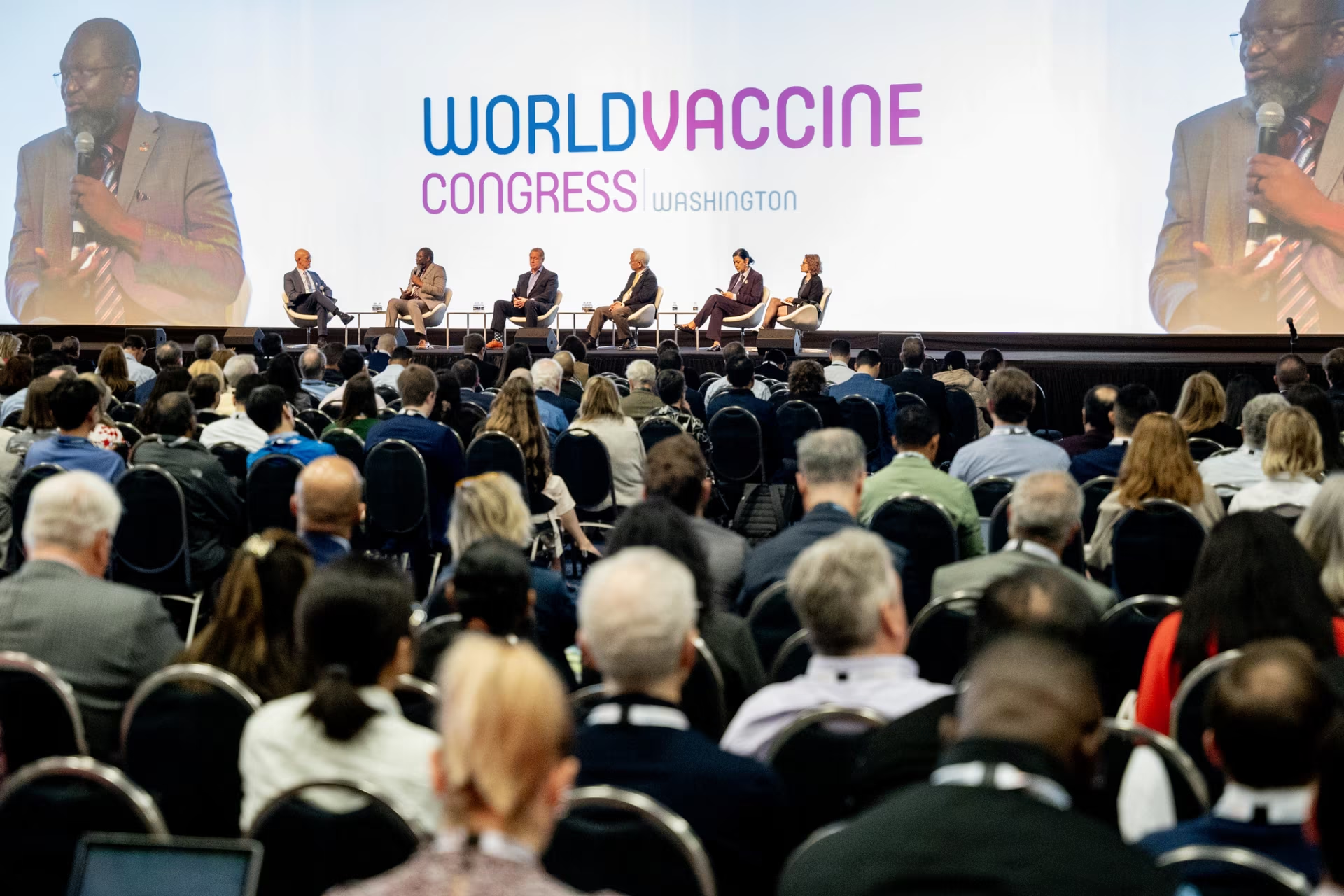
The World Vaccine Congress Washington 2025, 21-24 April 2025, delivered another landmark year, bringing together more than 4,000 global stakeholders from biotechnology, pharmaceuticals, government, academia and the broader global health ecosystem. The event reinforced its standing as an influential and collaborative forum in ...

In this episode, we explore the future of continuing medical education (CME) with the team behind touchIME. Hannah Fisher and Matthew Goodwin share insights into global and US trends, the importance of patient inclusivity and how educational outcomes are evolving to better measure the direct impact of learning on clinical practice and patient care.
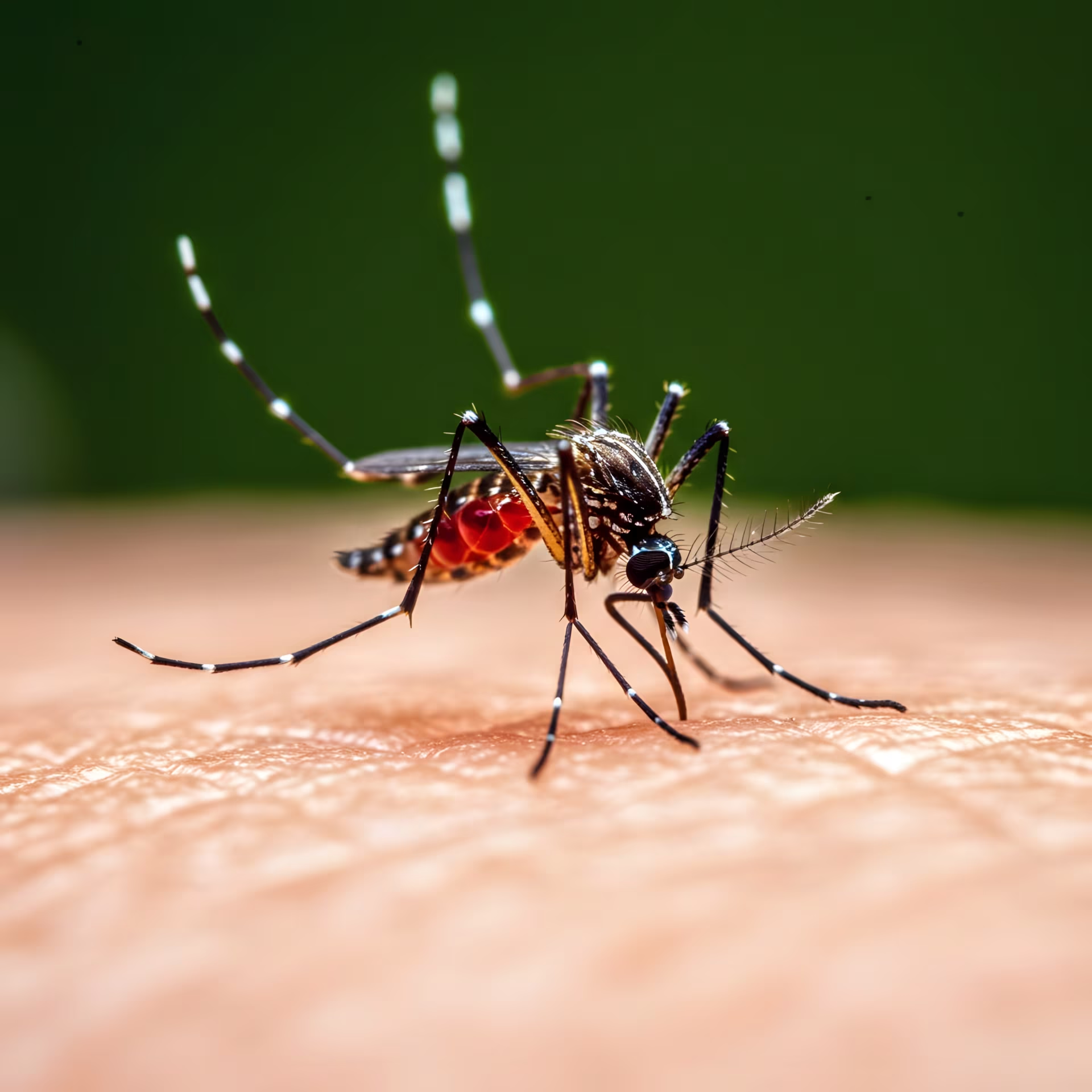
The US Food and Drug Administration (FDA) has approved the first virus-like particle (VLP) chikungunya vaccine PXVX0317 (VIMKUNYA™), for individuals aged 12 years and older, with Bavarian Nordic recently announcing its commercial launch.1,2 This approval addresses a critical unmet need for ...
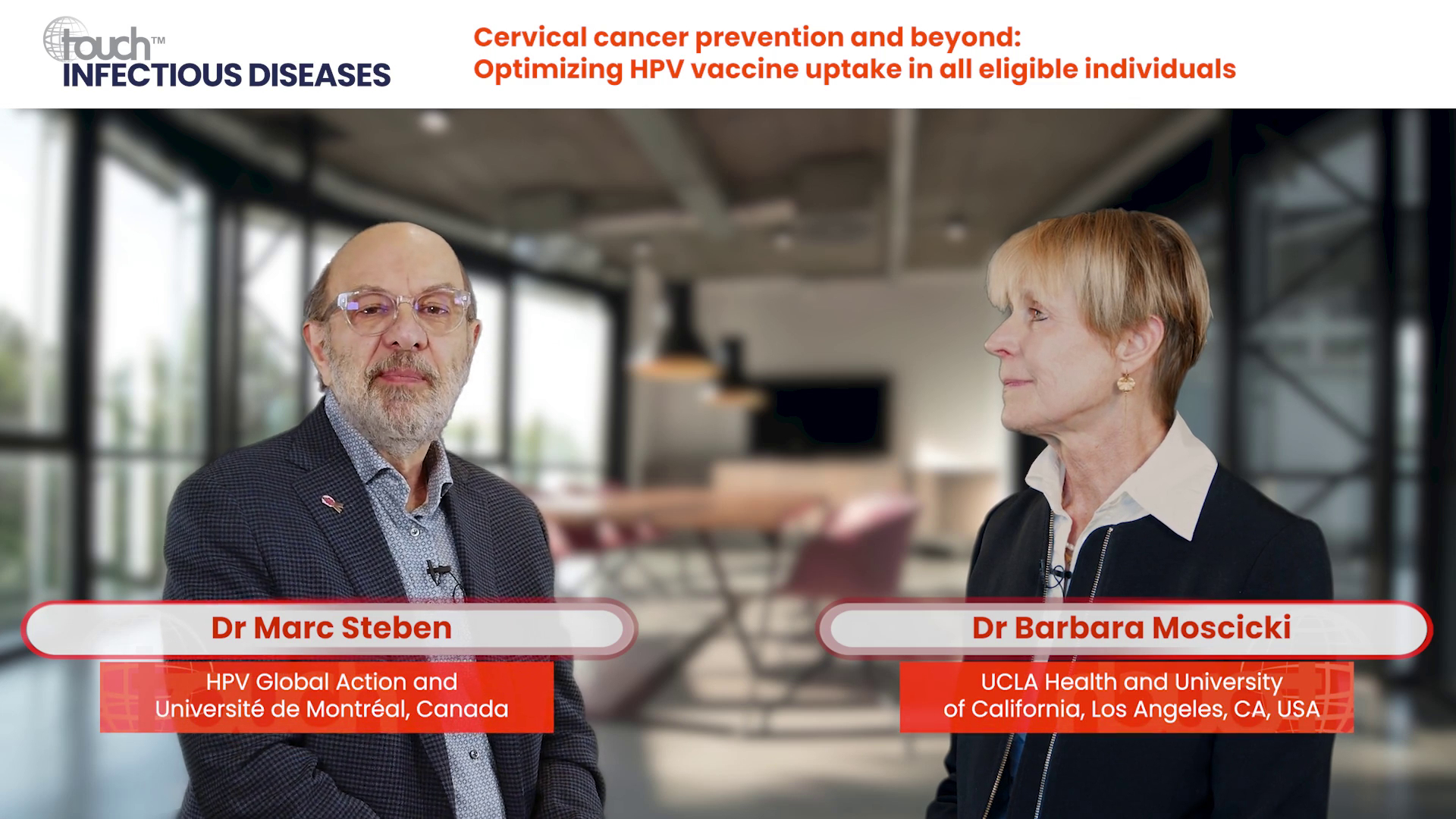






"Europe remains committed to the global fight to end polio once and for all" Polio may be a distant memory for many in Europe, but the virus is far from gone. New data reveal that vaccine-derived poliovirus type 2 (VDPV2) was ...

Mpox is endemic in the Democratic Republic of the Congo (DRC), with cases rising over the past decade. Children were the most severely affected in the 2023 outbreak, which saw over 14,000 cases and 600 deaths.1 Despite the deployment of the modified vaccinia ...
Log into your Touch Account
Keep track of your clinical interests and newsletter subscriptions.
Sign up with an Email
Or use a .
Register now for FREE access
Already registered? Login below.