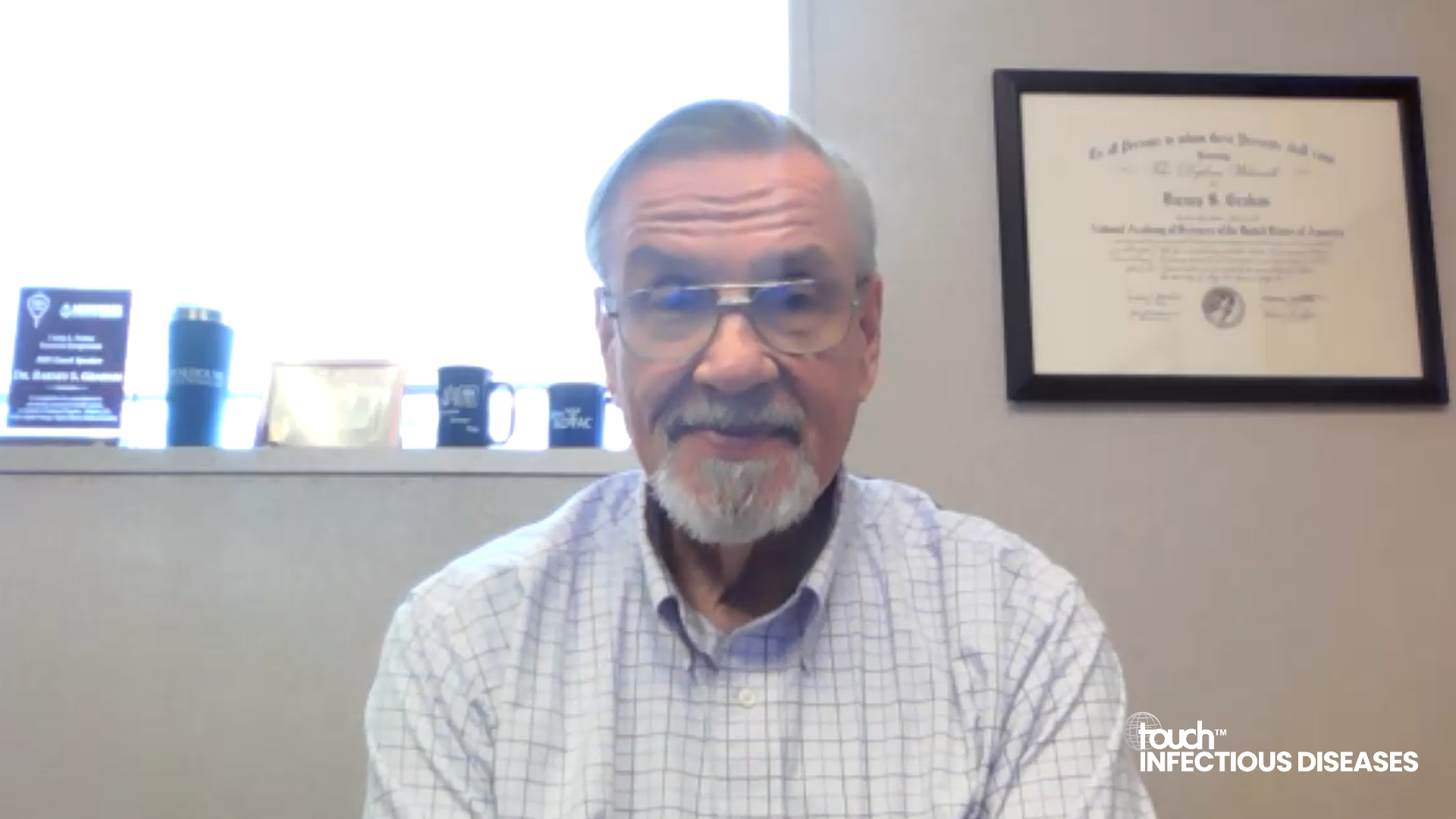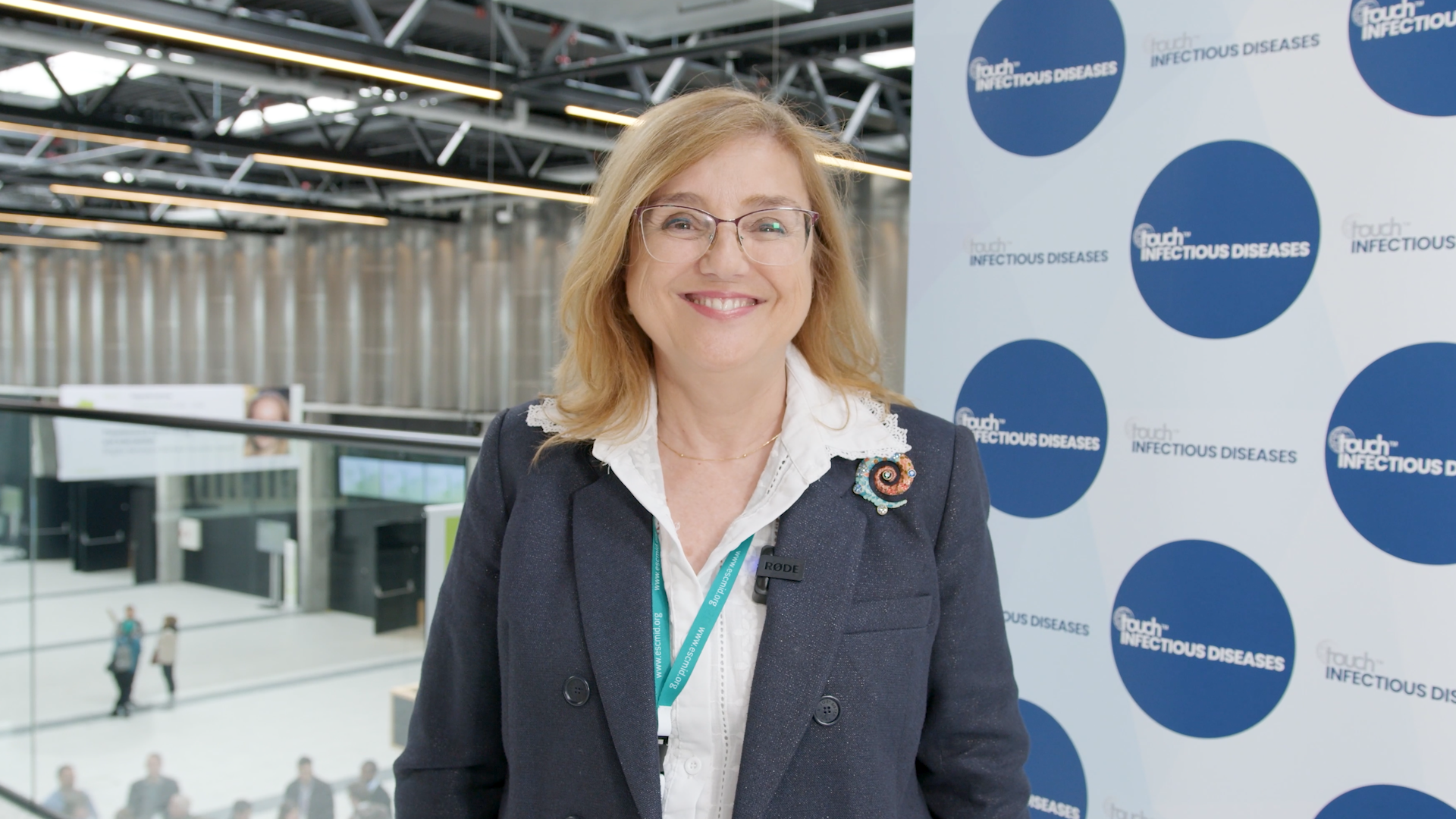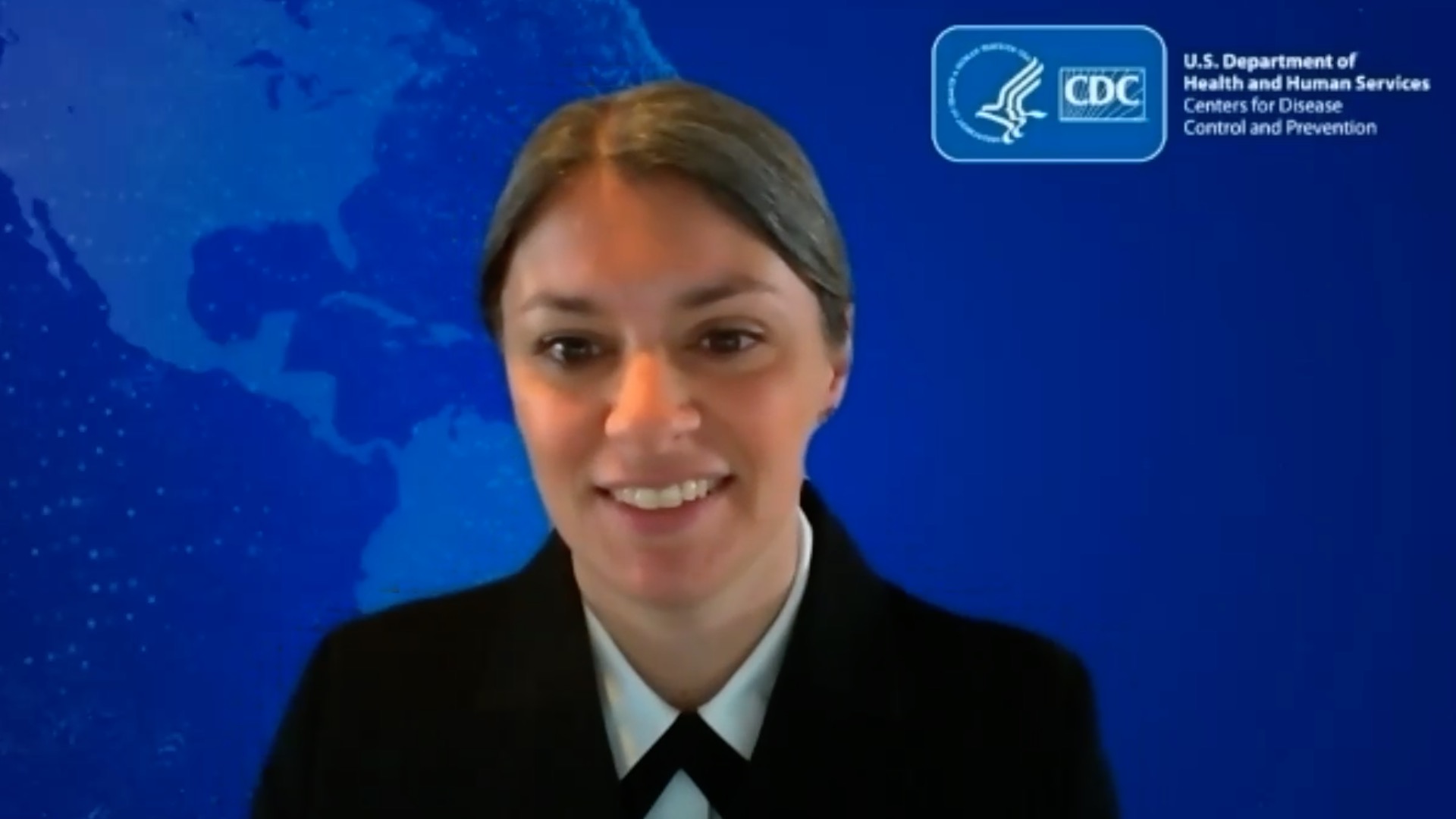
The “PS15 – Co-Chairs’ Choice” session at EACS 2025 gathered a diverse set of late-breaking studies showcasing the most significant and interesting advances in HIV treatment and prevention research presented this year.
Curated by session chairs Bruno Spire, Jean-Michel Molina, Karine Lacombe and Milosz Parczewski, the hour moved briskly from population-level insights to pragmatic clinical questions, who is being missed by current HIV testing strategies, what actually works to reduce bacterial STIs in real-world practice, and how new dosing paradigms may reshape adherence in HIV treatment and prevention.
Taken from the EACS Co-Chairs’ Choice session presented 18 October 2025 (PS15), touchINFECTIOUS DISEASES summarizes the key highlights and discussions during the session.
Session: Spire B, Molina JM, Lacombe K, Parczewski M. Co-Chairs’ Choice. Presented at: 19th European AIDS Conference (EACS 2025). Session #PS15. 15–18 October 2025; Paris, France.
Migrants now account for over half of new HIV diagnoses in Switzerland
Opening the session, Dr Jessy J. Duran Ramirez (University Hospital Zürich, Zürich, Germany) presented new analyses from the long-running Swiss HIV Cohort Study (SHCS), which has enrolled people with HIV since 1988 and covers ~70% of Switzerland’s HIV-positive population. Focusing on individuals newly enrolled between 2010 and 2024 who remained active through end-2024, the team found that 52.5% of new diagnoses were among migrants, a proportion that has been slightly increasing over time.
Among migrants, 62% were diagnosed after arriving in Switzerland. Compared with Swiss nationals, those diagnosed post-migration were more often female (32% vs 13%), younger (median 38 vs 44 years) and presented with lower CD4 counts at diagnosis (333 vs 400 cells/µL). Time from immigration to diagnosis differed by transmission category: male heterosexuals had the longest median delay (6 years), followed by MSM (5 years) and female heterosexuals (2 years). Stratification by continent of origin showed the longest delays among male heterosexuals from Asia (median 12 years).
“These findings highlight the need to better understand whether post-migration diagnoses reflect post-migration acquisition,” Dr Duran Ramirez noted, “because that would directly inform targeted testing and prevention strategies for specific migrant sub-populations.” In discussion, audience members pressed on testing at arrival and the heightened vulnerability in the first year post-migration, underscoring opportunities for earlier linkage to prevention.
“Since 2010, over half of new HIV diagnoses were among migrants, and more than 60% occurred after migration.” – Jessy J. Duran Ramirez
DoxyPEP cuts chlamydia and syphilis. No signal for gonorrhoea; MenB vaccine signal remains inconclusive
From population trends to prevention in practice, Dr David Wimmersberger (Stadtspital Zürich, Zürich, Germany) reported interim, real-world data from DoximMent, a multi-centre observational study nested in SHCS among men who have sex with men (MSM) and transgender women living with HIV at high risk for bacterial STIs. Of 266 doxycycline post-exposure prophylaxis (DoxyPEP) users with ≥6 months’ follow-up, 114 also received meningococcal B (MenB) vaccine (Bexsero, GlaxoSmithKline, London, UK).
Across the cohort, overall STI incidence fell by about half post-DoxyPEP (IRR 0.51). Reductions were significant for chlamydia (IRR 0.29) and syphilis (IRR 0.32), but not for gonorrhoea. The calculated number needed to treat to prevent one STI over three months was 14.85—higher than RCTs, reflecting broader, lower-risk inclusion. For gonorrhoea, the MenB group showed a non-significant decrease (IRR 0.71) versus a slight increase without vaccination.
“We saw a statistically significant reduction of chlamydia and syphilis with DoxyPEP, but no effect on gonorrhoea. MenB vaccination signals were not statistically significant.” – David Wimmersberger
Audience questions probed DoxyPEP pill use (~2 pills/month on average), future antimicrobial resistance analyses for gonorrhoea, and whether outcomes could be parsed by symptomatic infections, acknowledged as a limitation to be addressed in the final analysis.
Chemsex 2.0: Distinct user profiles and unmet PrEP needs
Dr Kai J Jonas (Maastricht University, Maastricht, Netherlands) presented a cross-sectional survey of ~15,000 HIV-negative MSM and transgender people across 20 European countries (2024), mapping sexualized drug use patterns, self-reported STIs and prevention behaviours. Beyond the well-described “classic” chemsex agents, Dr Jonas highlighted a “novel chemsex” cluster characterized by synthetic cathinones (e.g. 3-MMC) and GHB/GBL, with hotspots in the Netherlands, UK and Spain.
Crucially, the novel chemsex group reported the highest six-month STI prevalence (syphilis, gonorrhoea, chlamydia), high oral pre-exposure prophylaxis (PrEP) uptake but suboptimal adherence and discontinuation, alongside strong interest in long-acting injectable PrEP. Younger, moderate-use participants had low PrEP uptake and similarly suboptimal adherence.
“We need to recognize fluid, fast-changing chemsex patterns and tailor HIV/STI prevention accordingly, especially for users of synthetic cathinones and GHB/GBL.” – Kai J Jonas
From the floor, community representatives cautioned against terminology that may exclude trans and non-binary people, urging inclusive definitions; Jonas agreed and emphasized the analysis aimed to describe European patterns, not to universalize.
Weekly oral islatravir-lenacapavir maintains suppression to week 96
Turning to antiretroviral innovation, Dr Amy Colson (Community Resource Initiative, Boston) presented week 96 outcomes from a phase 2 study of weekly oral islatravir–lenacapavir in virologically suppressed adults switching from daily B/F/TAF. In the weekly arm, 88.5% had HIV-1 RNA <50 copies/mL at week 96; no participant had ≥50 copies/mL in the week-96 window, adherence was 99.3% by pill counts, and there were no clinically meaningful changes in CD4 count or weight. A transient decline in lymphocytes at week 96 reversed by week 108; no emergent resistance to either agent was detected.
“Weekly oral dosing maintained high suppression through week 96 with favourable tolerability—supporting ongoing phase 3 evaluation.” – Dr Amy Colson
Metabolic switches: no short-term advantage with doravirine ± TDF
Dr John Koethe (Vanderbilt University Medical Center, Nashville, TN, USA) reported 48-week metabolic outcomes from the ACTG A5391 (DO IT) trial, which randomized adults with HIV and obesity on INSTI+TAF to continue therapy or switch to doravirine (with TAF or with TDF). At week 48, there were no significant differences between arms in fasting lipids, HOMA-IR, or DXA-assessed fat/lean mass, consistent with the trial’s earlier finding of no differential weight change across arms.
“Switching to doravirine with or without TDF did not improve lipids, insulin resistance or body composition at 48 weeks compared with continuing INSTI+TAF.” – Dr John Koethe
Reassuring HBV signal when stepping off tenofovir
Finally, Dr Lorin Begré (Bern University Hospital, Bern, Germany) evaluated hepatitis B virus (HBV) reactivation risk among hepatitis B core antibody (HBcAb)-positive, hepatitis B surface antigen (HBsAg)-negative people with HIV in SHCS who switched away from tenofovir. At ~1 year post-switch, 3.9% showed biologic signs of reactivation, but none had quantifiable HBV DNA, no severe liver flares occurred, and HBsAg remained negative in almost all cases. Results were similar across subgroups, including those with isolated anti-hepatitis B core antigen (HBc).
“In this cohort, switching off tenofovir was associated with low-level, non-quantifiable HBV DNA in a small minority and no severe flares, a reassuring signal for clinicians.” – Dr Lorin Begré
Questions explored ALT elevations (generally modest, often confounded by prevalent hepatitis C), baseline vaccination status (to be further detailed) and reasons for switching (including some with virological failure).
Take-home messages
Across five tightly presented studies, the Co-Chairs’ session emphasized precision and pragmatism: the imperative to target migrant testing and prevention, the real-world scope of DoxyPEP (and its limits), the need to align PrEP delivery with chemsex realities, the promise of weekly oral therapy, the limits of metabolic switching in the short term, and measured reassurance when stepping away from tenofovir in HBV-exposed individuals.
As one presenter put it, the work ahead is clear: match interventions to the people who need them most, and to how they live.
Speaker list during “PS15 – Co-Chairs Choice” session at EACS 2025:
Amy Colson, Oral Presenter
Community Resource Initiative
Bruno Spire, Chair
INSERM U1252
David Wimmersberger, Oral Presenter
Stadtspital Zürich
Jean-Michel Molina, Chair
University of Paris Cité
Jessy J. Duran Ramirez, Oral Presenter
University Hospital Zurich
John Koethe, Oral Presenter
Vanderbilt University Medical Center
Kai J Jonas, Oral Presenter
Maastricht University
Karine Lacombe, Chair
Sorbonne Université
Lorin Begré, Oral Presenter
Inselspital, Bern University Hospital, University of Bern
Milosz Parczewski, Chair
Pomeranian Medical University
Related content
- Advancing HIV Prevention, Care, and Public and Global Health Through Artificial Intelligence and Machine Learning
- ANV/3TC/TDF switch strategy demonstrates long-term efficacy and safety in SPRINT trial
This content has been developed independently by Touch Medical Media for touchINFECTIOUS DISEASES. Views expressed are the speaker’s own and do not necessarily reflect the views of Touch Medical Media.
Session: Spire B, Molina JM, Lacombe K, Parczewski M. Co-Chairs’ Choice. Presented at: 19th European AIDS Conference (EACS 2025). Session #PS15. 15–18 October 2025; Paris, France.
Editor: Katey Gabrysch, Editorial Director.
Disclosures: This short article was prepared by touchINFECTIOUS DISEASES, reporting on the PS15 – Co-Chairs’ Choice at EACS 2025. The content was developed and edited by human editors. No fees or funding were associated with its publication. touchINFECTIOUS DISEASES utilize AI as an editorial tool (ChatGPT (GPT-4o) [Large language model]. https://chat.openai.com/chat).
Cite: Co-chairs’ highlights EACS 2025: Migrant HIV trends, DoxyPEP in practice, weekly oral therapy, metabolic switch data and HBV reactivation risk. touchINFECTIOUS DISEASES. 20 October 2025.
Register now to receive the touchINFECTIOUS DISEASES newsletter!
Don’t miss out on hearing about our latest peer reviewed articles, expert opinions, conference news, podcasts and more.