
Vaccine confidence has been significantly challenged in the wake of the COVID-19 pandemic, with implications for routine immunization, vaccine catch-up and equitable access to care.
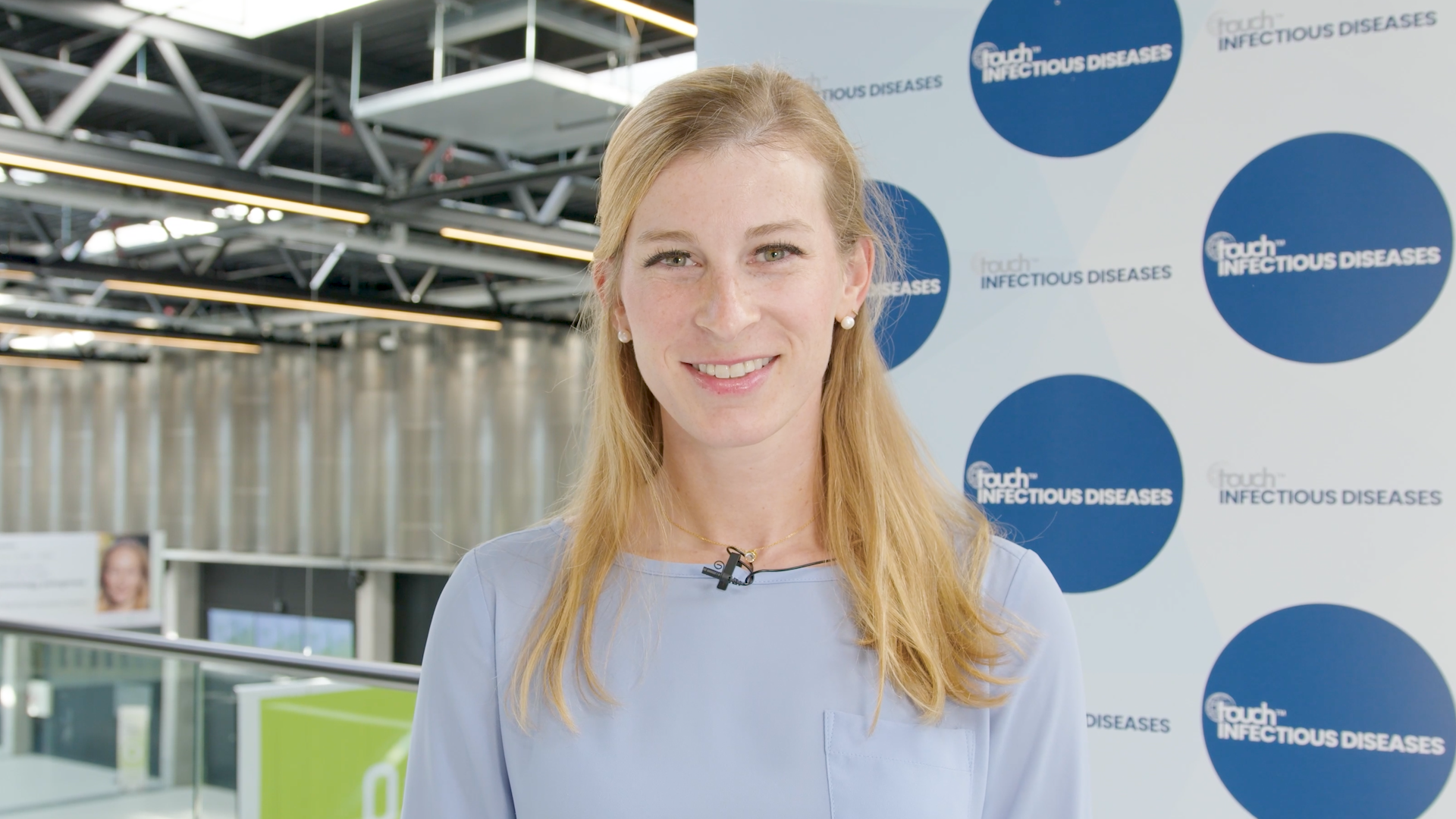
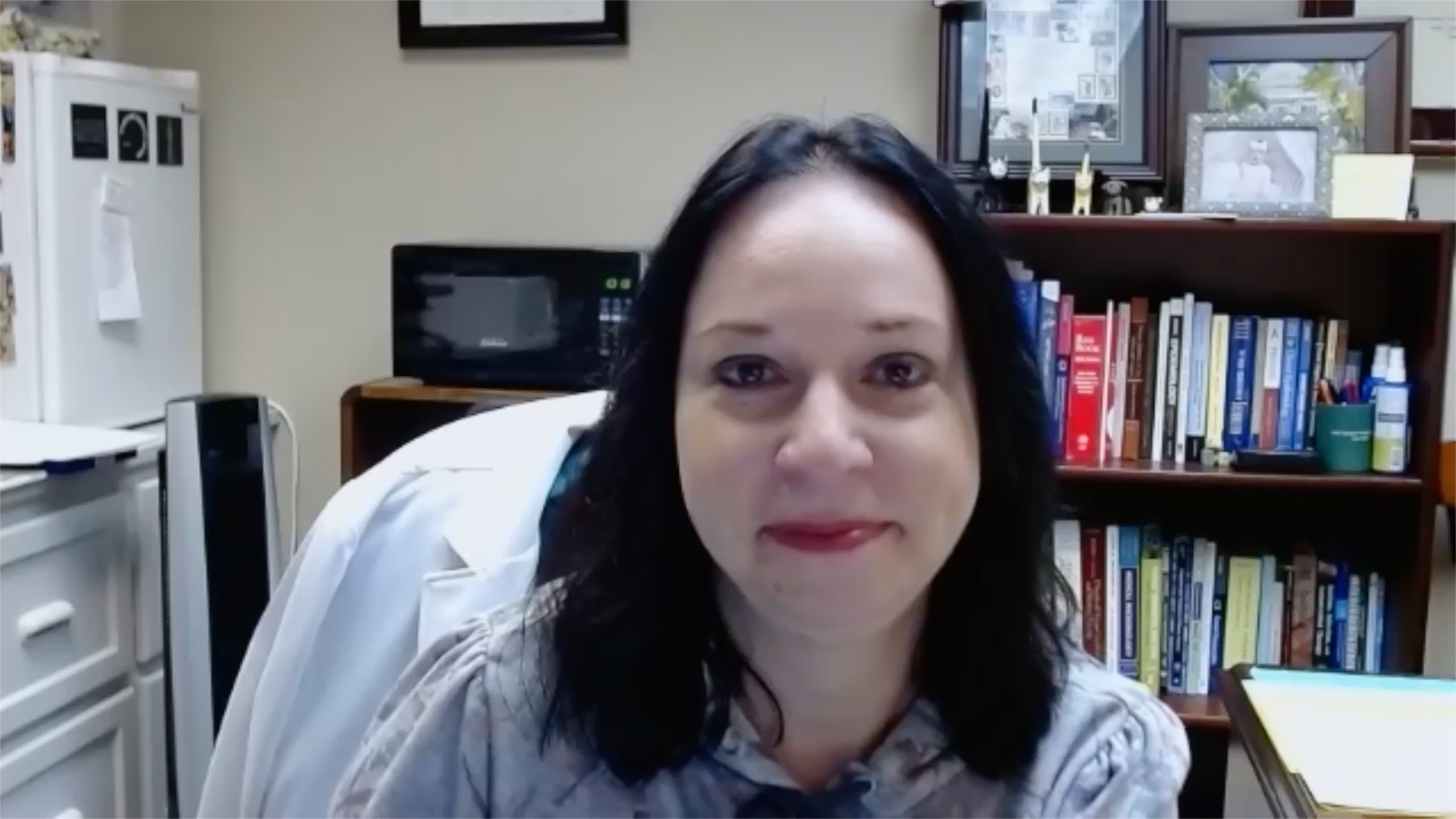
 In this Q&A, Prof. Nada M. Melhem, Professor of Infectious Diseases and Microbiology, American University of Beirut, Beirut, Lebanon, discusses how vaccine confidence has shifted post-COVID, how clinicians should interpret current guidance on vaccine hesitancy, and the practical steps healthcare professionals (HCPs) can take to address missed vaccinations and structural barriers to uptake.
From your clinical experience, how has vaccine confidence changed since the COVID-19 pandemic, and what are the most common concerns HCPs now hear from patients or caregivers?
I should begin with a disclaimer: I am a researcher rather than a clinician. My responses are therefore informed by available research data, as well as reports from UNICEF, the World Health Organization (WHO), the US Centers for Disease Control and Prevention (CDC), and the published literature..
There has been a clear decline in confidence in routine childhood vaccinations in many countries during and following the COVID-19 pandemic. This was largely driven by tensions surrounding COVID-19 vaccination, including reduced trust in government policies, pharmaceutical companies, concerns about long-term side effects and a perceived lack of risk from COVID-19 itself. These factors ultimately spilled over into routine immunisation programmes.
The literature shows that paediatricians increasingly report parental hesitancy as a significant barrier to routine childhood immunisation. Many clinicians spend considerable time addressing doubts, delays in vaccination and selective acceptance of vaccines.
How should HCPs interpret current guidance on vaccine confidence and hesitancy in the post-COVID era?
This is a very important issue. We have previously developed educational modules with touchINFECTIOUS DISEASES that emphasize the critical role of HCPs in promoting vaccination and reducing immunization gaps.
Post-COVID guidance should be interpreted as a shift away from viewing vaccine hesitancy as a fixed personal trait, where individuals are labelled as either pro- or anti-vaccination. Instead, hesitancy should be understood as a dynamic, context-specific decision-making process.
The WHO’s approach to vaccine hesitancy focuses on identifying specific barriers and tailoring responses accordingly. These barriers vary across cultures and communities, which is why HCPs need to adapt their engagement strategies.1,2
This shift should be accompanied by clear, evidence-based and confident recommendations, delivered alongside respectful dialogue with communities. Strategies developed during the COVID-19 pandemic are particularly relevant, including responding to misinformation with short, clear corrections framed around shared values, rather than prolonged debate. Motivational interviewing techniques can also be effective in addressing individual concerns.
Consistent messaging is essential, supported by well-trained HCPs who can guide evidence-based discussions. Importantly, routine vaccinations should be clearly separated from concerns related to COVID-19 vaccines to reduce spillover effects and prevent long-term erosion of confidence.
What do existing national and international recommendations advise regarding vaccine catch-up, and what practical steps can clinicians take to systematically identify and close immunisation gaps?
National and international recommendations emphasize the importance of having clear catch-up vaccination policies aligned with WHO guidance. WHO technical guidance includes tables for interrupted or delayed schedules to support safe, age-specific and vaccine-specific catch-up decisions.3
A key priority is identifying high-risk and hard-to-reach populations, as well as individuals who have missed vaccinations, and ensuring they are vaccinated at the earliest opportunity. This can be achieved by embedding catch-up vaccination into routine healthcare services.
From a practical perspective, this requires reliable workflows to identify gaps, using documented vaccination records rather than patient recall wherever possible. Team-based vaccine delivery models are also important. In many countries, nurses and pharmacists are already authorized to vaccinate without clinician sign-off, and this capacity should be fully utilized to address catch-up gaps.
Health systems should maintain detailed lists of overdue vaccinations, distinguishing between short delays and more significant lapses, and identifying high-risk individuals. Offering walk-in vaccination hours and actively monitoring completion of catch-up schedules are essential to prevent persistent gaps.
From a guidance perspective, how should HCPs address structural or access-related barriers to vaccination, particularly for underserved and high-risk populations?
The WHO explicitly highlights that practical barriers such as distance, time constraints and transport costs are often the main reasons for low vaccine uptake, even when confidence is not an issue. These structural barriers should be understood as health system and social factors that make vaccination difficult, even for people who want to be vaccinated.4
Addressing these challenges requires service design, outreach and equity-focused workflows, rather than education alone. HCPs should first identify whether barriers are related to access or confidence, as this distinction informs appropriate responses.
Where possible, reducing the financial burden of vaccination is critical. Mobile clinics can help bring vaccines to communities rather than requiring individuals, including refugees or those living in informal settlements, to travel long distances.
Training HCPs in culturally responsive communication is also essential, particularly when working with populations that may face discrimination or fear due to legal or social status. Creating safe, respectful environments is crucial.
Finally, collaboration between governments and healthcare providers is needed to ensure consistent vaccine supply, convenient vaccination sites, respectful interactions, privacy and reduced waiting times. These factors are well documented in the literature as drivers of improved vaccine access.
If you could offer one key takeaway for clinicians trying to rebuild vaccine confidence in everyday practice, what would it be, and why does it matter now?
The key takeaway is to prioritise trust. This means combining confident, clear, evidence-based vaccine recommendations with respectful, empathetic listening and practical support to remove barriers to vaccination.
This approach is especially important given the re-emergence of vaccine-preventable diseases such as measles. It is not too late to act. By rebuilding trust and improving access, we still have the opportunity to save millions of lives and ensure that no one is left behind.
References
1. World Health Organization. Demand for immunization: strategies and approaches. WHO — Immunization, Vaccines and Biologicals. Available at: https://www.who.int/teams/immunization-vaccines-and-biologicals/essential-programme-on-immunization/demand (accessed 12 Feb 2026).
2. World Health Organization. Behavioural and social drivers of vaccination: tools and practical guidance for achieving high uptake. Available at: https://www.who.int/publications/i/item/9789240049680 accessed 23 February 2026).
2. World Health Organization. Catch-up vaccination: implementation guidance. WHO — Immunization, Vaccines and Biologicals. Available at: https://www.who.int/teams/immunization-vaccines-and-biologicals/essential-programme-on-immunization/implementation/catch-up-vaccination (accessed 12 Feb 2026).
3. World Health Organization. Demand for immunization: practical considerations for quality and convenience of services. WHO — Immunization, Vaccines and Biologicals. Available at: https://www.who.int/teams/immunization-vaccines-and-biologicals/essential-programme-on-immunization/demand (accessed 12 Feb 2026).
Already registered? Login below.
Related content
Paxlovid: An Agent for the Treatment of Mild-to-moderate COVID-19
ProMED: Strengthening global outbreak vigilance through human-curated intelligence
Chikungunya milestone: FDA approves first vaccine for teens and adults
More content in vaccines
Cite: Nada Melhem. Rebuilding vaccine confidence after COVID-19: Practical guidance for clinicians. 12 February 2026.
Editor: Katey Gabrysch, Editorial Director.
Disclosures: Nada Melhem has nothing to disclose in relation this interview.
The content was developed and edited by human editors. No fees or funding were associated with its publication. touchINFECTIOUS DISEASES utilize AI as an editorial tool (ChatGPT (GPT-4o) [Large language model]. https://chat.openai.com/chat).
This content has been developed independently by Touch Medical Media for touchINFECTIOUS DISEASES in collaboration with Prof. Nada Melhem. Views expressed are the speaker’s own and do not necessarily reflect the views of Touch Medical Media.
SIGN UP to touchINFECTIOUS DISEASES!
Join our global community today for access to thousands of peer-reviewed articles, expert insights, and learn-on-the-go education across 150+ specialties, plus concise email updates and newsletters so you never miss out.