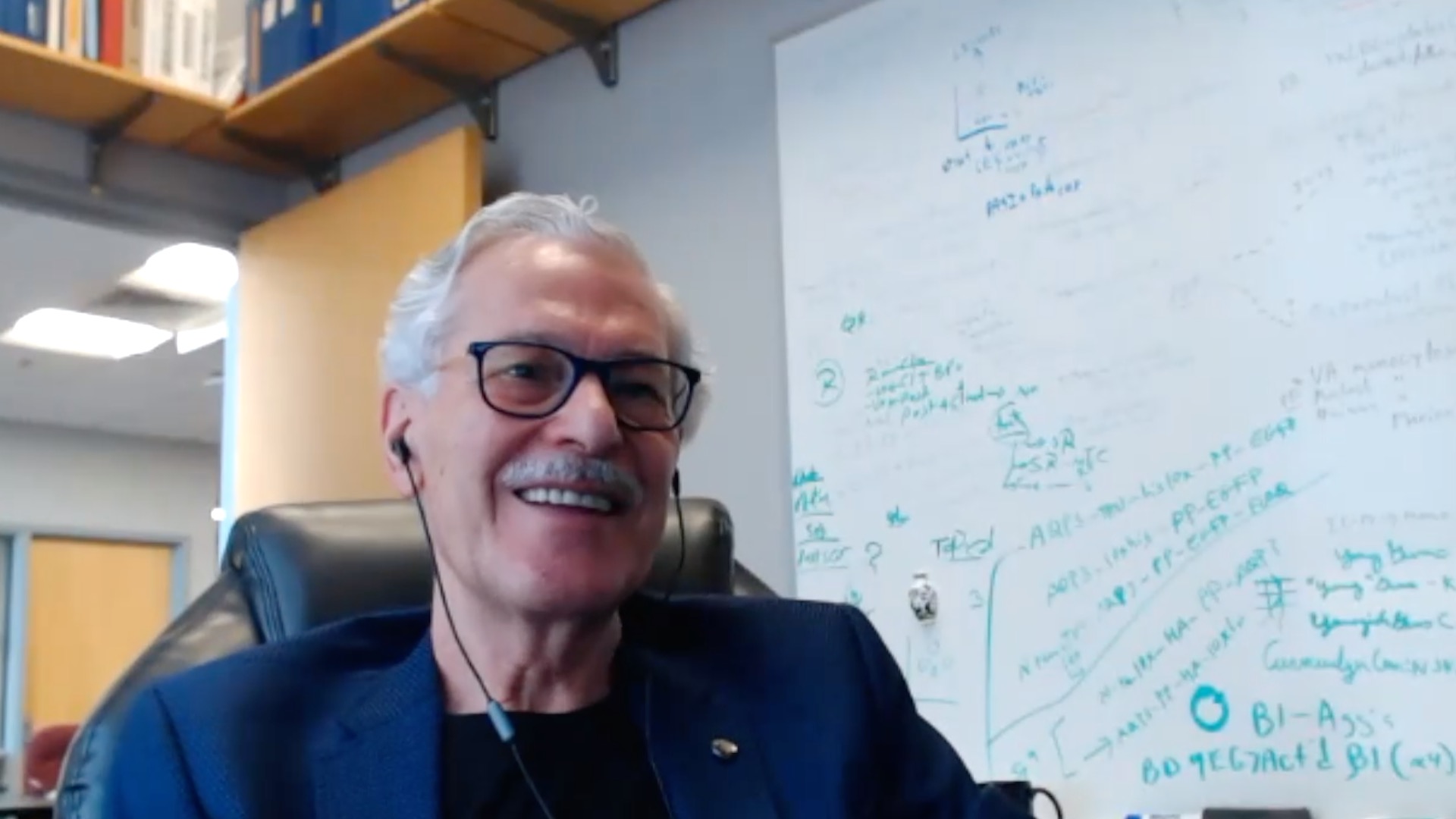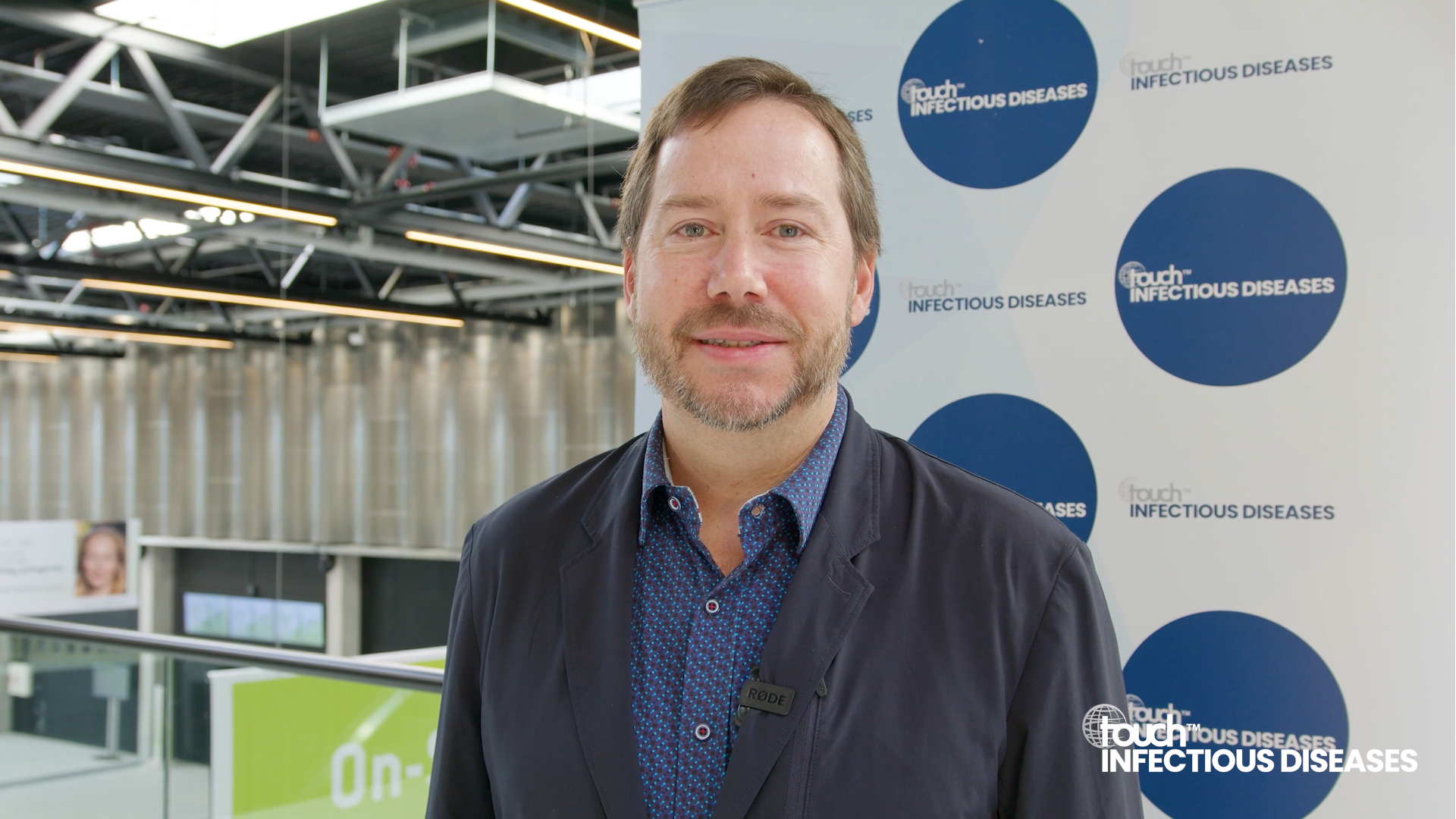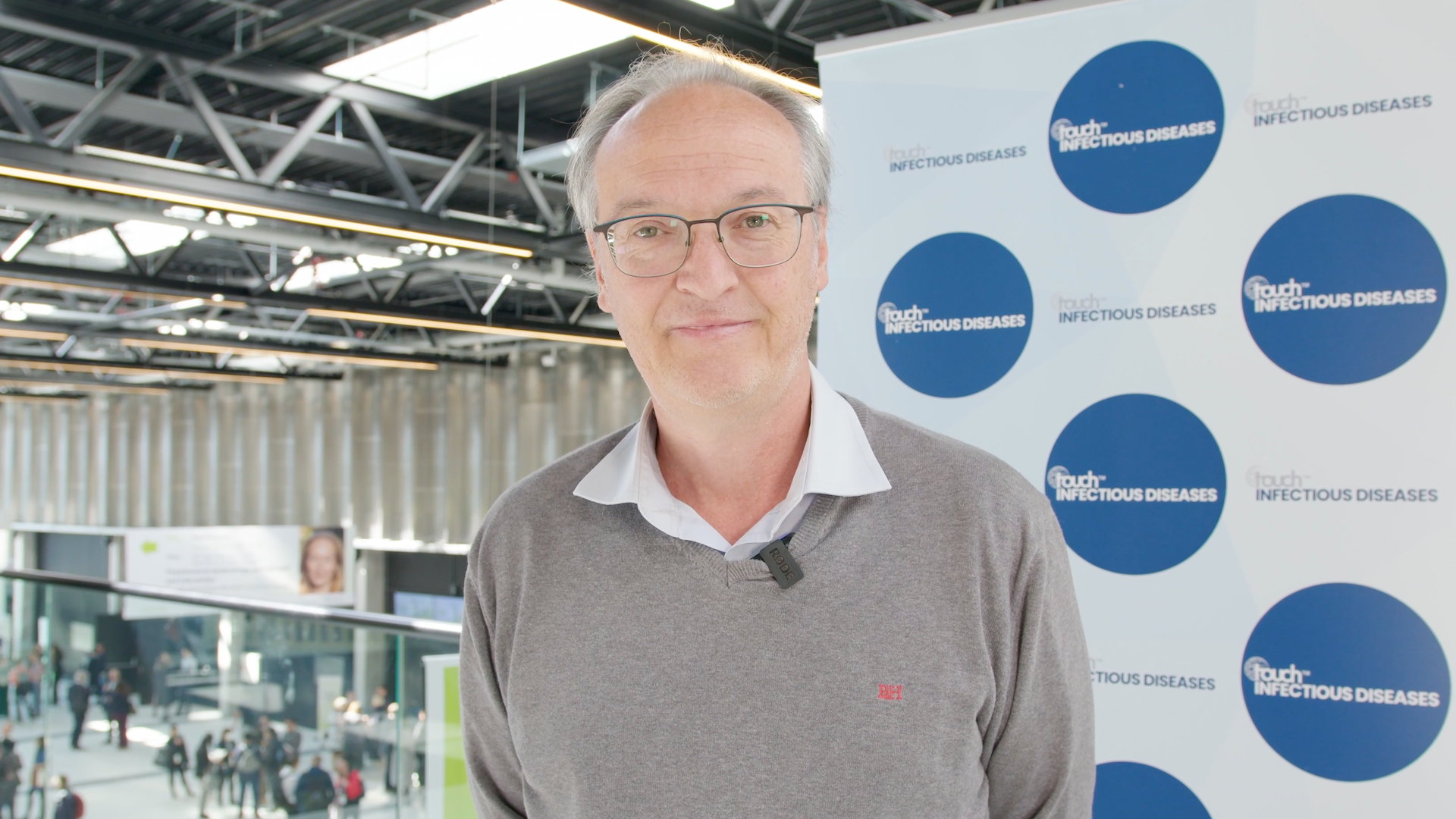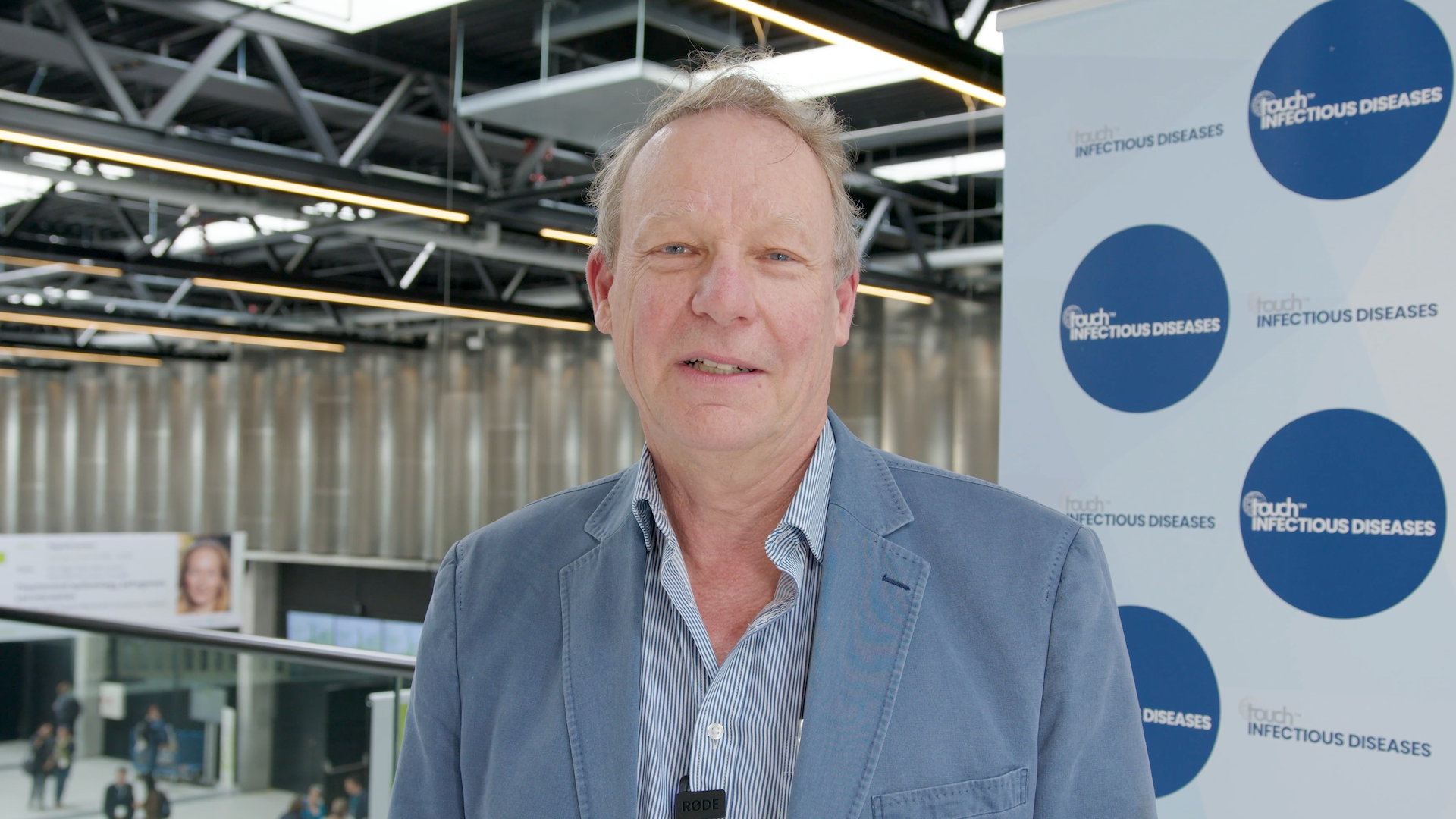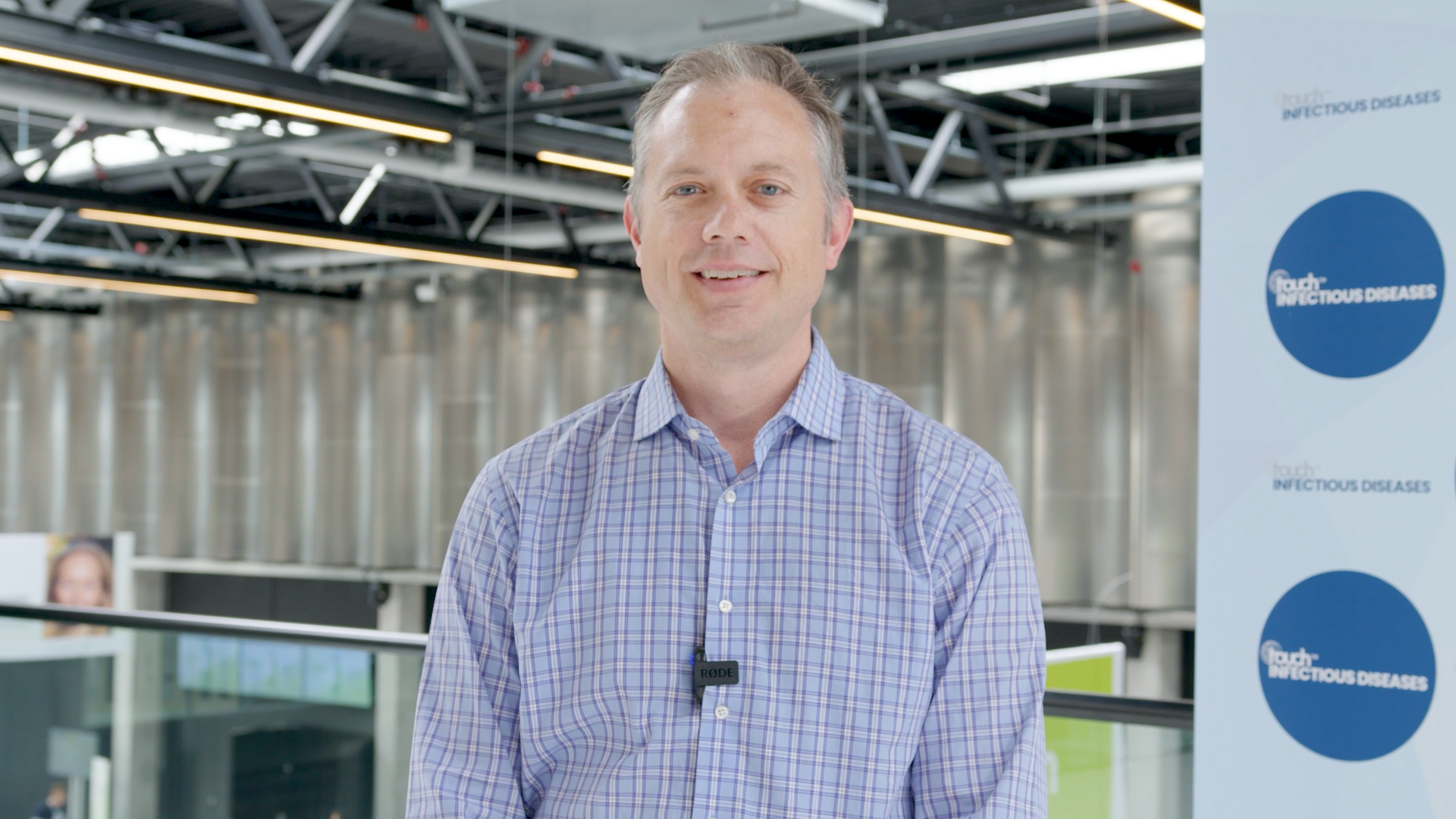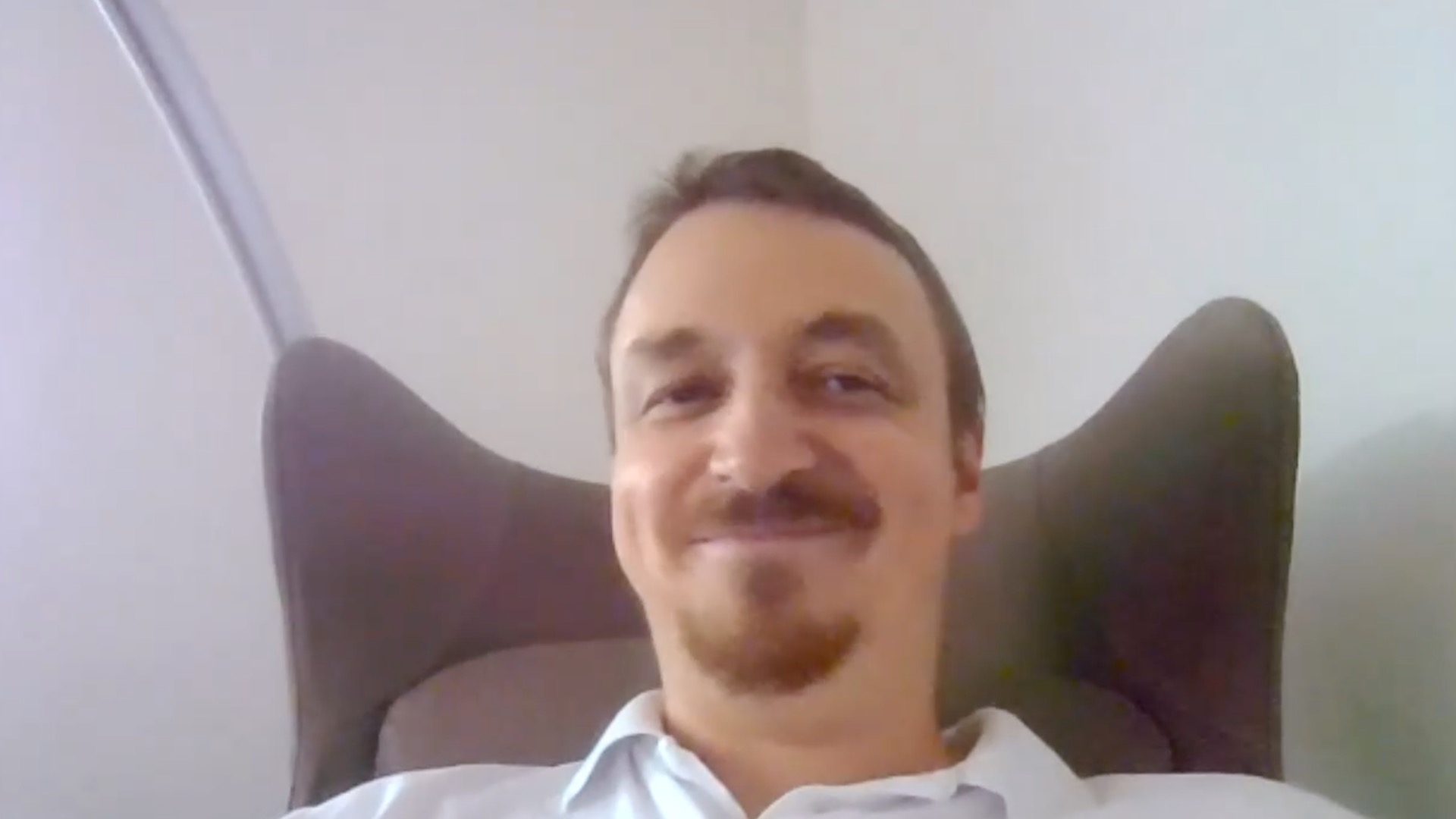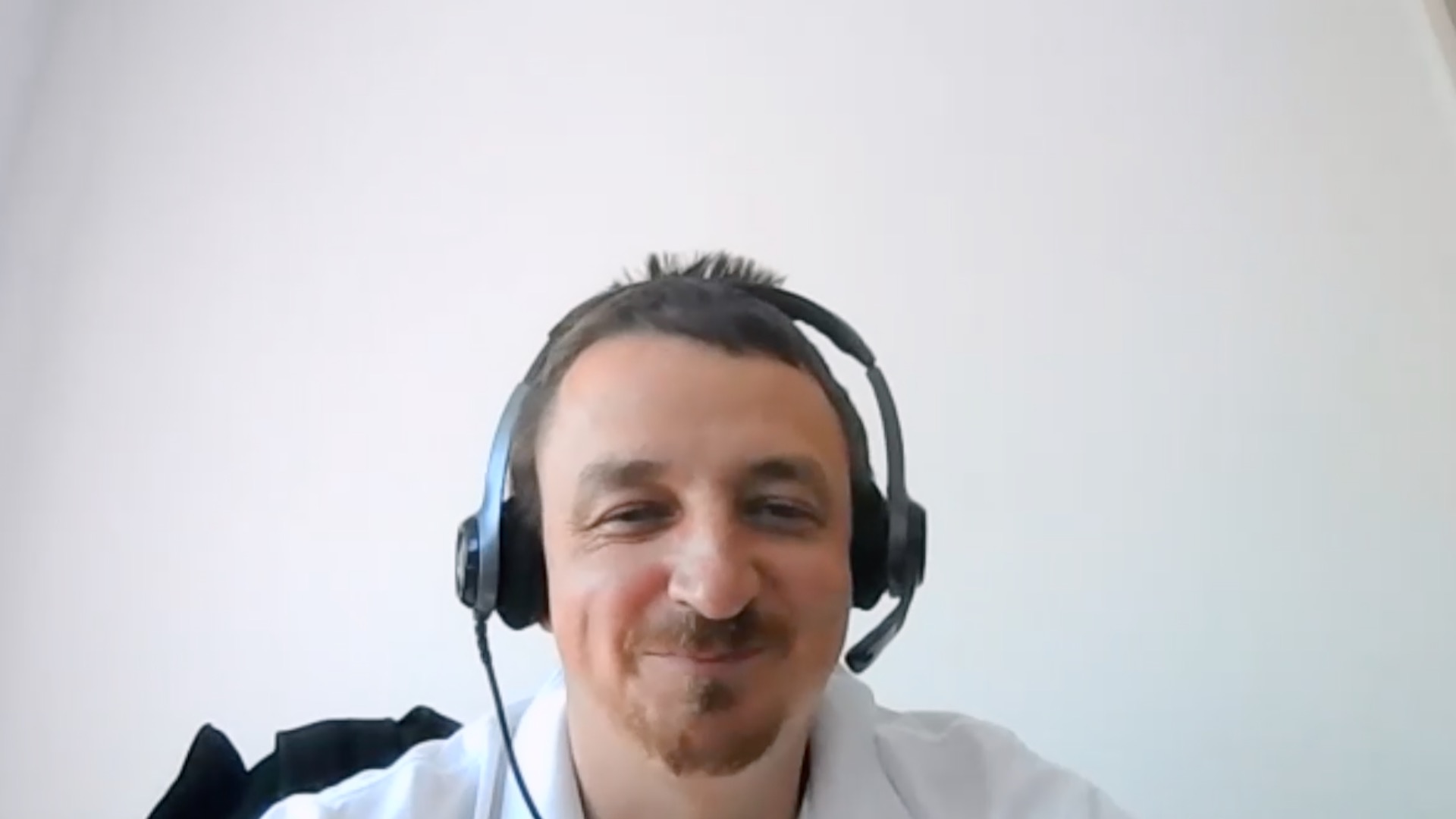
 At ESCMID Global 2026, Dr Jon Salmanton-Garcia, postdoctoral researcher at the University of Cologne and Chair of the ESCMID Fungal Infection Study Group (EFISG), discussed the evolving landscape of invasive fungal infections. He highlighted advances in diagnostics, promising antifungal therapies in development, and how EFISG is helping create opportunities for the next generation of clinicians and researchers in medical mycology.
Presented at ESCMID 2026: ESCMID fungal infection study group (EFISG) webinars: advancing global expertise in fungal infections through interactive learning
Could you tell us a little about your background and current role?
I’m Jon Salmanton-Garcia. I’m a postdoctoral researcher at the Institute of Translational Research at the University of Cologne in Germany.
My research mainly focuses on two areas: fungal infections and respiratory viral infections in hematology patients. It is a pleasure to be with you today, and thank you very much for the invitation.
What is your role in the ESCMID Fungal Infection Study Group, and how does the group improve clinical practice and research?
I was selected as Chair of the ESCMID Fungal Infection Study Group (EFISG) two years ago. Together with the rest of the board, one of our biggest priorities has been engagement. We want members to feel that the study group belongs to them and that they can actively contribute..
For example, we have an adhoc young representative, and although formally that role may differ in governance terms, in practice we value that opinion exactly the same as every elected member.
We have also tried to communicate consistently with members, encourage them to share initiatives, promote their research, and participate in activities such as webinars. We have worked to make internal processes more democratic and more open.
If I had to summarize the last two years in one word, it would be engagement.
Invasive fungal infections remain difficult to diagnose and manage. Where are the greatest opportunities now in diagnostics, therapeutics or prevention?
Honestly, in all three areas. For diagnostics, next-generation sequencing and biomarker-based approaches are growing quickly. They allow more targeted diagnoses, less invasive sampling and faster turnaround times. That is one of the biggest current priorities in medical mycology.
For therapeutics, we are in a very exciting moment. If you think that the first systemic antifungal, Amphotericin B, entered practice in the 1950s, then over many decades we only accumulated around twenty antifungals. Now we have several more in the pipeline. Rezafungin has already reached the market in some regions. Ibrexafungerp is available in the United States in selected settings. Olorofim and fosmanogepix are also well advanced. So therapeutically, this is a very positive period.
Regarding prevention, we do not yet have fungal vaccines in routine practice, and fungal infections are not always preventable in the same way as respiratory viruses. But interest in fungal immunology and vaccine development is growing significantly. I would not be surprised if future ESCMID meetings include major presentations, or even promotional activity, around vaccines against certain fungi.
How can involvement with the group help early-career clinicians and researchers contribute to future medical mycology?
What we have tried to do within EFISG, and what ESCMID is also promoting more broadly, is equity. That means making greater efforts to support women, colleagues from low- and middle-income countries, and young researchers. These groups have historically had fewer opportunities, so we need to actively create them.
We have done this through travel grants, support for abstract presenters, and grants for conferences both within and outside ESCMID. Last year we funded twelve grants for presentations at ESCMID Global, and we repeated that this year.
We have also run 25 webinars so far, with an average attendance of around 200 people. One of our goals is to showcase new faces. There is a lot of talent among younger colleagues and among people who have not yet had visibility. Sometimes they simply need that first opportunity.
What do you think will be the most important therapeutic updates presented this year?
I would highlight sessions on rezafungin. It is already available in some countries, though not yet in others, and among the antifungals that have been in development over the past decade, it is the one that has now clearly entered practice.
For the others in the pipeline, it may only be a matter of one or two years.
So far at this congress, rezafungin is probably the most immediate practical update. But over the next couple of years, we may see several more new antifungals arriving. Hopefully that means more sessions dedicated to fungal infections, which of course would be lovely for us. Naturally, everyone wants their own field to grow, but we should also remember that infectious diseases is broad, and it is good that meetings reflect that diversity.
I would also mention advances in immunotherapy. That may progress more slowly and perhaps attract less attention initially, but it could become highly meaningful for patients in the future.
Already registered? Login below.
Related content
Managing viral infections in immunocompromised patients: Key clinical updates from ESCMID 2026
Respiratory virus transmission and new approaches to measuring individual infectiousness
New evidence for high-dose influenza vaccines in older adults: DANFLU-2 trial
Pritelivir shows superior lesion healing in refractory herpes simplex virus: Phase III PRIOH trial
More content in fungal infections
Cite: Jon Salmanton-Garcia. ESCMID Fungal Infection Study Group: Advancing mycology research and education in 2026. touchINFECTIOUS DISEASES. 17 March 2026.
Abstract: Jon Salmanton-Garcia. ESCMID fungal infection study group (EFISG) webinars: advancing global expertise in fungal infections through interactive learning. Presented at ESCMID 2026, Munich, Germany 17 – 21 April 2026
Editor: Katey Gabrysch, Editorial Director.
Disclosures: Jon Salmanton-Garcia has nothing to disclose in relation to this interview.
The content was developed and edited by human editors. No fees or funding were associated with its publication. touchINFECTIOUS DISEASES utilize AI as an editorial tool (ChatGPT (GPT-4o) [Large language model]. https://chat.openai.com/chat).
This content has been developed independently by Touch Medical Media for touchINFECTIOUS DISEASES in collaboration with Jon Salmanton-Garcia. Views expressed are the speaker’s own and do not necessarily reflect the views of Touch Medical Media.
SIGN UP to touchINFECTIOUS DISEASES!
Join our global community today for access to thousands of peer-reviewed articles, expert insights, and learn-on-the-go education across 150+ specialties, plus concise email updates and newsletters so you never miss out.