As antimicrobial resistance continues to threaten global health, interest is growing in alternative approaches to treating bacterial infections.

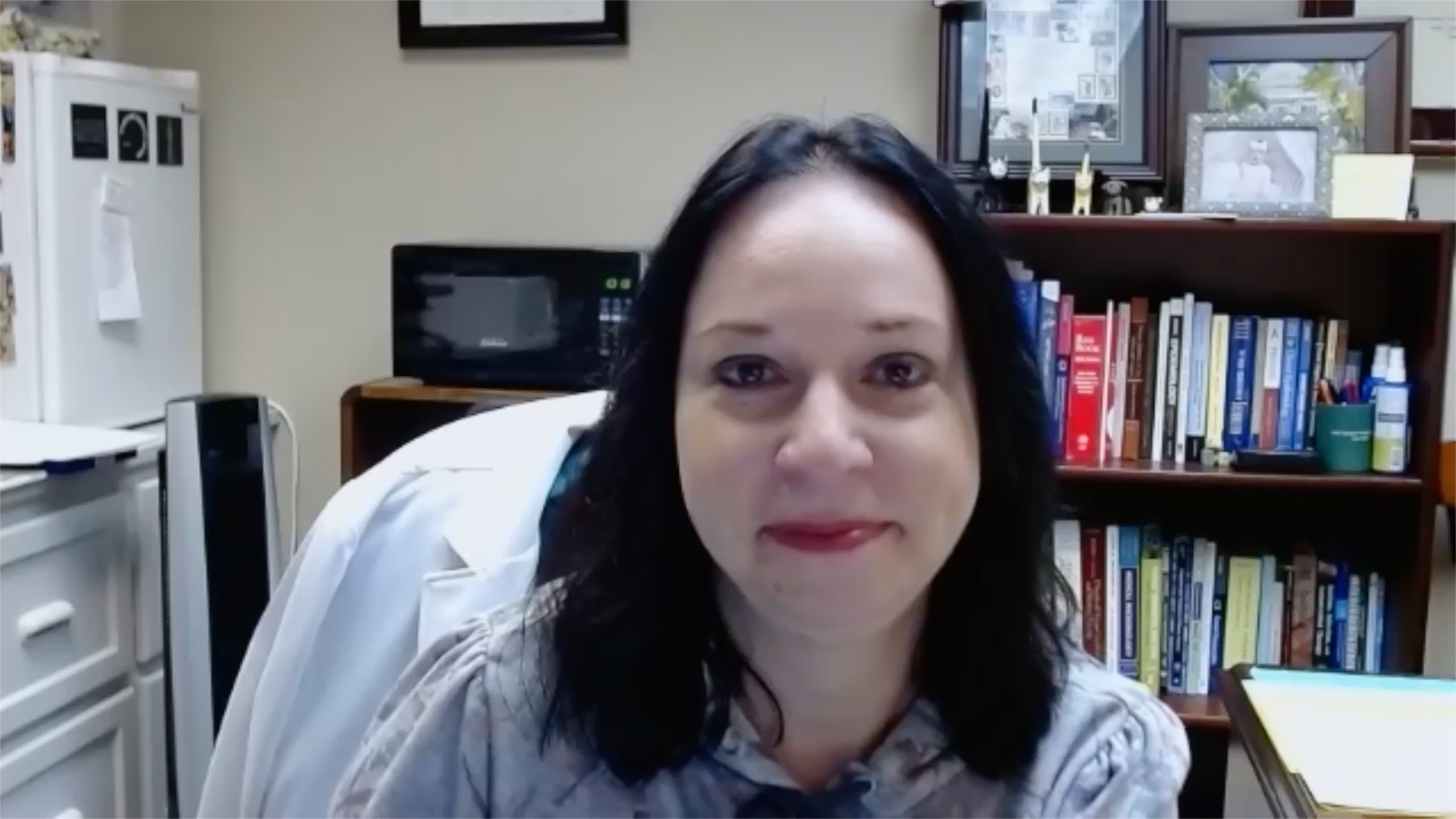
At ESCMID 2026, Dr Ikechukwu Moses presented early research exploring bacteriophages against methicillin-resistant Staphylococcus pseudintermedius, an emerging zoonotic pathogen associated with companion animals. In this interview, he discusses how his work evolved from One Health surveillance studies into phage therapy research, the promise of bacteriophage-derived treatments, and how innovations such as microneedle delivery systems may help shape future infection management.
Presented at ESCMID 2026: Bacteriophage mining: combating the increasing spread of methicillin-resistant S. pseudintermedius colonising companion dogs
Could you tell us about your background and how your research journey led you into antimicrobial resistance and phage therapy?
My background is in pharmaceutical microbiology, and my research journey began with antimicrobial resistance surveillance. Initially, I was interested in understanding the scale of resistance in specific regions, beginning in Nigeria, where I was born.
My early work focused on antimicrobial resistance in both humans and animals. Over time, I became increasingly interested in the relationship between animal and human pathogen transmission, particularly zoonotic spread.
That curiosity led me to investigate methicillin-resistant Staphylococcus pseudintermedius (S. pseudintermedius), an emerging zoonotic pathogen commonly associated with companion animals, especially dogs. With global pet ownership continuing to rise, understanding how pathogens may move between pets and their owners is becoming increasingly important.
This all falls within the wider One Health framework, which recognizes the close connection between human, animal, and environmental health. As I continued this work, I encountered many resistant organisms carrying genes that made treatment increasingly difficult. That naturally led to the next question: what alternatives can we develop when conventional antibiotics become less effective?
Strong antimicrobial stewardship is essential, but stewardship alone is not enough. We also need new treatment strategies, and that is what drew me into phage therapy research.
Your ESCMID 2026 poster focuses on methicillin-resistant Staphylococcus pseudintermedius. Why is this pathogen important, and what question were you trying to answer?
The work I presented began during my studies in Nigeria, where I investigated the zoonotic transmission of S. pseudintermedius between dogs and their owners.
I was able to isolate the organism from both companion dogs and humans. That was particularly notable because S. pseudintermedius is usually considered a commensal organism in dogs, where it commonly exists without causing disease. In humans, Staphylococcus aureus is usually the more familiar clinical species. Detecting S. pseudintermedius in people raised important questions regarding colonization, transmission, and clinical relevance.
Later, during my postdoctoral work in Brazil at the Federal University of São Paulo, I continued studying the molecular characteristics of these strains to better understand their genetic traits and pathogenic potential.
Q. What were the key findings from your poster, particularly regarding the bacteriophages you identified?
While in Brazil, I began working in phage therapy research in the laboratory of Ana Cristina Gales. I collected environmental samples, including wastewater, as well as clinical swabs from animals, to isolate bacteriophages.
Bacteriophages are viruses that specifically infect bacteria and are widely distributed in nature. Interestingly, some of the most useful phages came from clinical animal swabs, which is logical because phages are typically found where their bacterial hosts are present.
In the work presented at ESCMID, I isolated two distinct bacteriophages with activity against epidemiologically relevant methicillin-resistant Staphylococcus pseudintermedius strains. One particularly important lineage is sequence type 71 (ST71), which is highly prevalent in Europe and increasingly recognized internationally. Encouragingly, the phages demonstrated activity against these strains.
Q. How stable were these bacteriophages, and why is that important for future therapeutic use?
For any potential therapeutic product, stability is a key consideration because it influences manufacturing, storage, formulation, and clinical usability.
These phages remained viable across a pH range up to approximately 8 to 9, with optimal activity around neutral pH. They also tolerated elevated temperatures up to roughly 60°C, although activity declined beyond that point.
Another encouraging feature was their ability to inhibit biofilm formation and degrade established biofilms. Since biofilms are often associated with chronic and treatment-resistant infections, that characteristic may be particularly valuable.
Overall, this poster represents an early stage of a larger ongoing phage therapy program focused on isolation, characterization, and therapeutic development.
What are the next steps in your research, particularly in Canada?
In Canada, I am conducting research in the Theraphage Lab of Roderick Slavcev at the University of Waterloo School of Pharmacy. My work there focuses on the production and characterization of bacteriophage-based nanomedicines, antimicrobial biologics, and gene delivery systems.
One area of interest involves phage-derived enzymes such as endolysins. These enzymes break down bacterial cell walls and may offer an alternative or complementary strategy to antibiotics, particularly for resistant Gram-positive pathogens. My work includes identifying these genes, cloning them into expression systems, and producing purified proteins for potential therapeutic use in skin and wound infections.
At the same time, I am also involved in work using the iPhAGEmid platform, an engineered phage-plasmid hybrid system designed for delivery of therapeutic genetic payloads. This research combines microbiology, molecular engineering, phage display technology, and biomaterials science.
We are also exploring early-stage microneedle-based applications for localized dermal delivery. These systems may have future relevance in regenerative medicine, chronic wound care, and targeted antimicrobial treatment.
How could research into microneedle patches transform treatment of chronic skin and wound infections?
Microneedle patches are still an emerging technology, but they are highly promising. Rather than relying on intravenous therapy or repeated topical application, they can deliver therapeutic payloads directly across the skin barrier into the dermal layer.
This is important because one limitation of many topical treatments is poor penetration through the stratum corneum. Microneedles may help overcome that barrier while also allowing sustained local release of the loaded therapeutic agent.
That payload could include bacteriophages, proteins, antimicrobials, or regenerative compounds. In an ongoing collaborative study in Brazil involving treatment of skin infections in companion dogs caused by methicillin-resistant Staphylococcus pseudintermedius, we used bacteriophage sprays several times per week and observed encouraging early signs of pathogen clearance. However, repeated application is labour-intensive. A microneedle patch could potentially provide a simpler and more sustained treatment option.
Looking ahead, what excites you most about the future of phage therapy and alternative antimicrobial strategies?
What excites me most is that these approaches can be multidimensional. We are not only looking at direct bacterial clearance, but also smarter delivery systems, wound healing support, and regenerative applications.
Ultimately, the goal is to develop practical and effective alternatives for bacterial infections at a time when antimicrobial resistance continues to rise globally.
Already registered? Login below.
Related content
Why host-directed therapies could transform bacterial infection treatment
New evidence for high-dose influenza vaccines in older adults: DANFLU-2 trial
Pritelivir shows superior lesion healing in refractory herpes simplex virus: Phase III PRIOH trial
More content in AMR
Cite: Ikechukwu B. Moses. How phage therapy could transform treatment of resistant bacterial infections. touchINFECTIOUS DISEASES. 05 May 2026.
Abstract: Ikechukwu B. Moses. Bacteriophage mining: combating the increasing spread of methicillin-resistant S. pseudintermedius colonising companion dogs. Presented at ESCMID 2026, Munich, Germany 17 – 21 April 2026.
Editor: Katey Gabrysch, Editorial Director.
Disclosures: Ikechukwu B. Moses has nothing to disclose.
The content was developed and edited by human editors. No fees or funding were associated with its publication. touchINFECTIOUS DISEASES utilize AI as an editorial tool (ChatGPT (GPT-4o) [Large language model]. https://chat.openai.com/chat).
This content has been developed independently by Touch Medical Media for touchINFECTIOUS DISEASES in collaboration with Ikechukwu B. Moses. Views expressed are the speaker’s own and do not necessarily reflect the views of Touch Medical Media.
SIGN UP to touchINFECTIOUS DISEASES!
Join our global community today for access to thousands of peer-reviewed articles, expert insights, and learn-on-the-go education across 150+ specialties, plus concise email updates and newsletters so you never miss out.