
Sepsis

Celebrating the next generation of innovators in infectious diseases Following the success of the 2025 Future Leaders, touchINFECTIOUS DISEASES is delighted to launch nominations for the Future Leaders 2026 initiative. The infectious diseases landscape continues to evolve rapidly, driven by emerging pathogens, ...

In our inaugural touchINFECTIOUS DISEASES Future Leaders 2025 campaign, we celebrate early-career clinicians and researchers whose innovation, leadership, and curiosity are already shaping better outcomes in patient care, antimicrobial stewardship, and global health.

Infectious disease diagnostics are at the forefront of tackling global health challenges. Research Fellow and PhD candidate Prerna S. Salian shares her journey from microbiology to pioneering faster sepsis detection, and her vision for integrating next-generation sequencing with AI to transform patient care.

Physician burnout is at a critical point. In this episode, Nicky speaks with Dr Alfred Atanda about why so many physicians are burning out and what can be done to change the trend. From personal experience to system-wide solutions, Dr Atanda shares valuable insights on improving physician well-being and building a more effective healthcare culture.

In this episode, we explore the future of continuing medical education (CME) with the team behind touchIME. Hannah Fisher and Matthew Goodwin share insights into global and US trends, the importance of patient inclusivity and how educational outcomes are evolving to better measure the direct impact of learning on clinical practice and patient care.
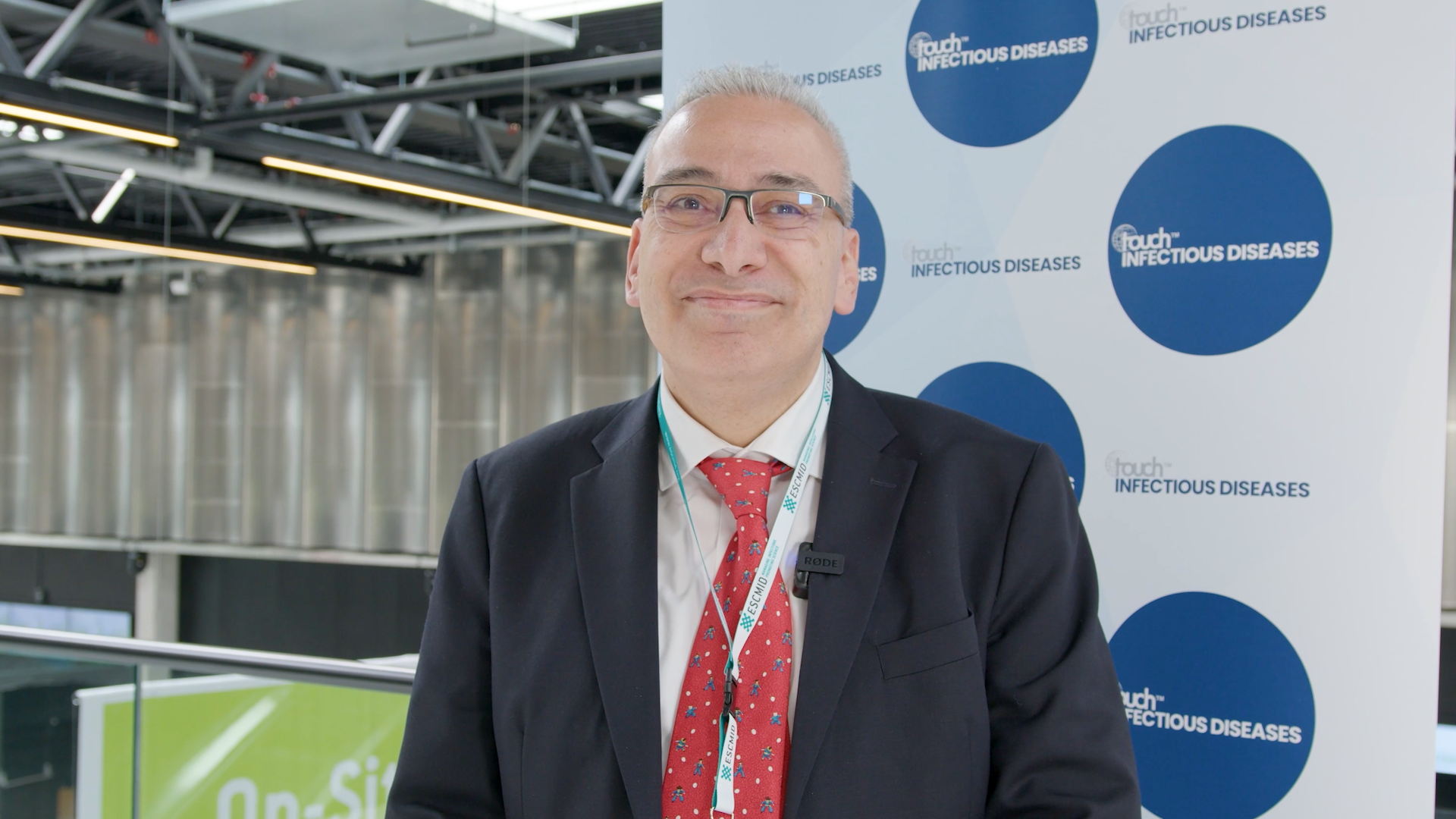
In recent years clinical trials with immunomodulators for sepsis have failed to make a significant impact. The PROVIDE clinical trial (NCT03332225) investigated whether a personalized immunotherapeutic approach targeting differences in immune dysregulation phenotypes in sepsis would improve outcomes. In this ...
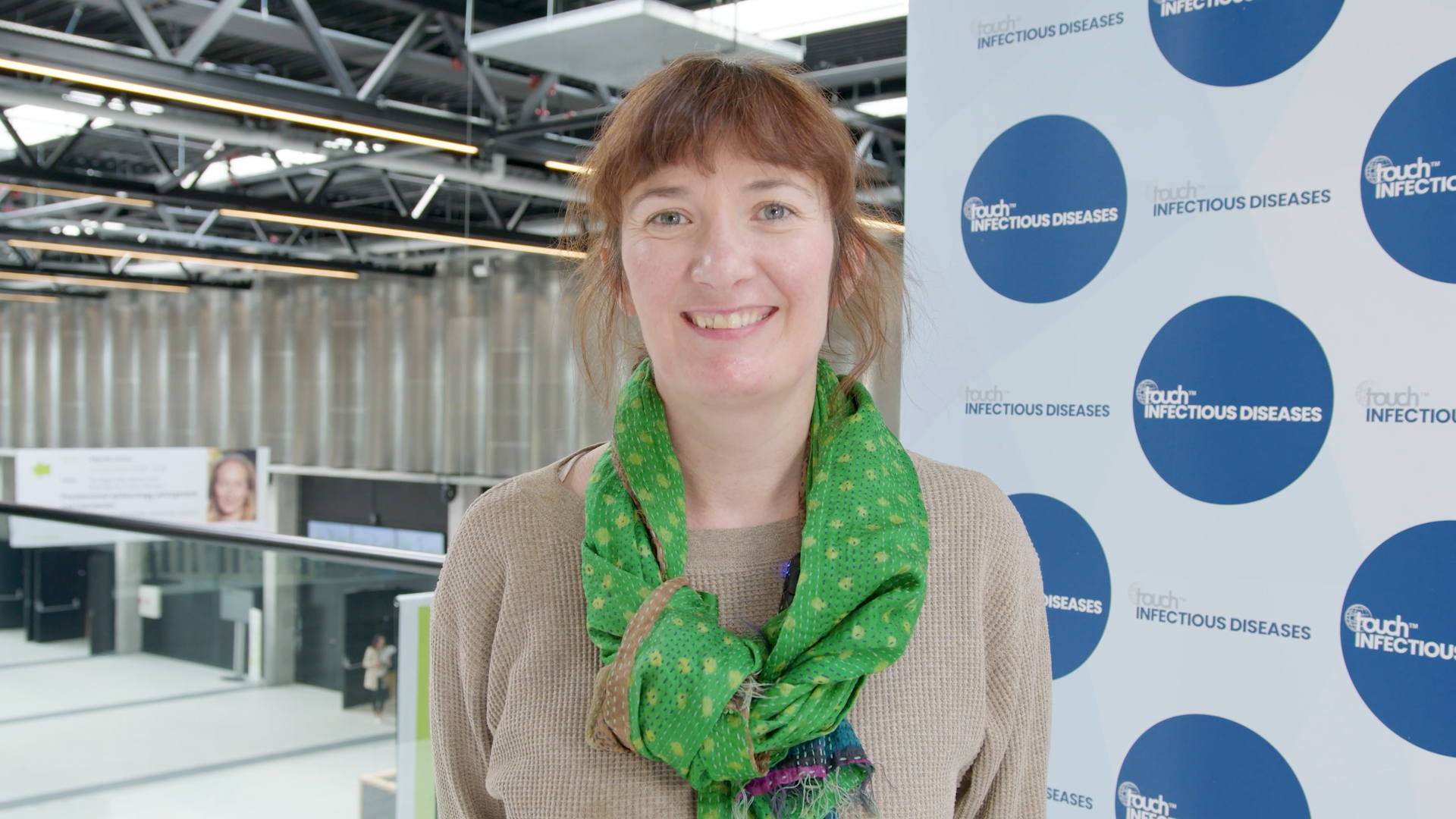
Neonatal sepsis is often a result of pathogenic infection in a hospital setting and is a high risk for mortality especially in low and middle income countries. We caught up with Dr. Michelle Clements (University College London, London, UK) to ...
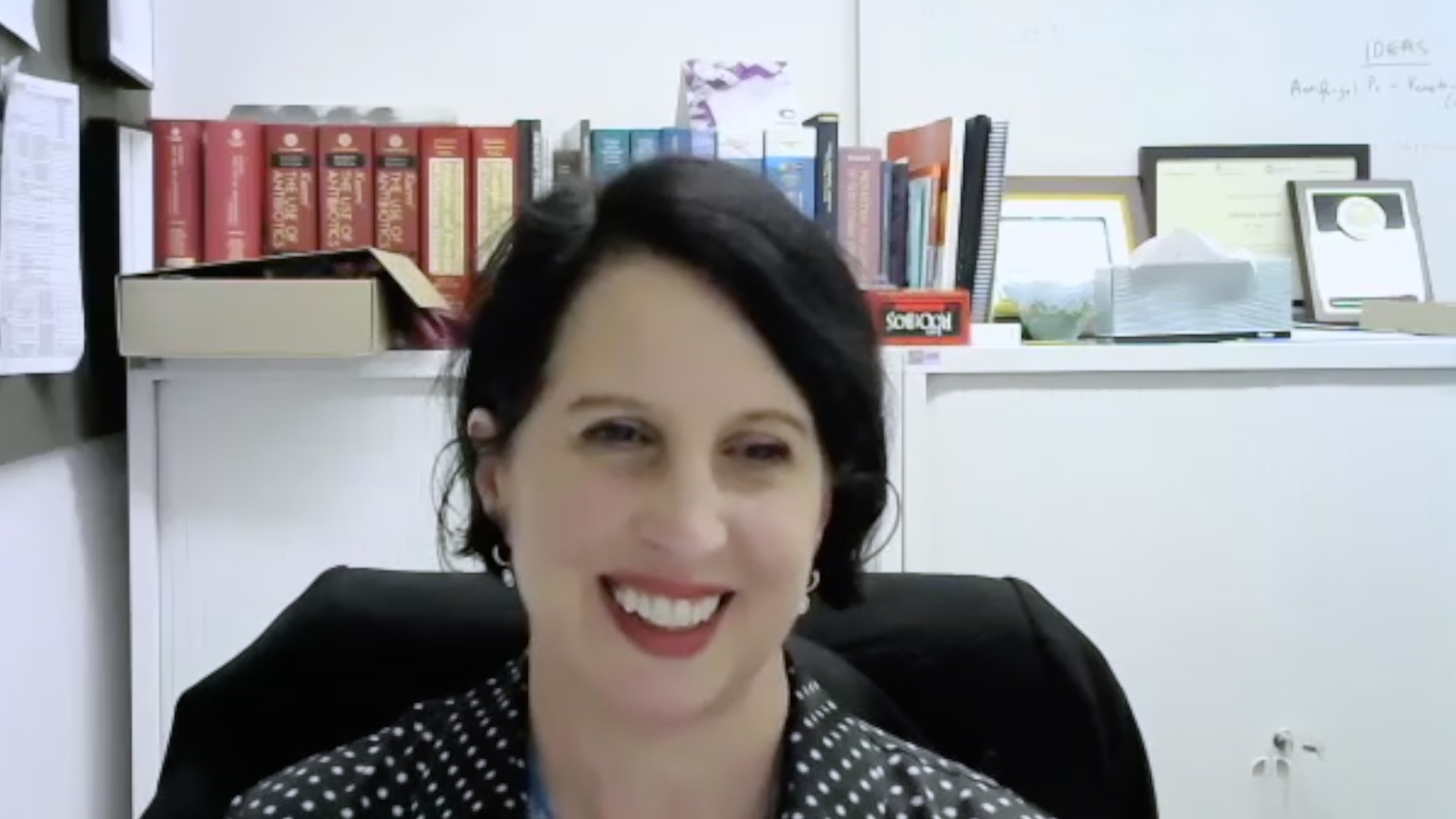
Prof. Karin Thursky (National Centre for Antimicrobial Stewardship, Melbourne, Australia) discusses the challenges of sepsis and antimicrobial stewardship programmes in hospitals. Prof. Thursky is a recognised international expert on the design and implementation of antimicrobial stewardship programs, with expertise in ...
Prof. Karin Thursky (National Centre for Antimicrobial Stewardship, Melbourne, Australia) discusses the management of sepsis in patients, recommendations that have been made for quality indicators for the use of antibiotics and adherence to these recommendations, and how to reconcile sepsis ...
Log into your Touch Account
Keep track of your clinical interests and newsletter subscriptions.
Sign up with an Email
Or use a .
Register now for FREE access
Already registered? Login below.