Rare Diseases
An Introduction to Rare Diseases
The rarest infectious diseases can have the most severe consequences and collectively comprise a significant global health burden. Some of the most important include Ebola virus, Chikungunya virus, lassa fever, amoebic meningitis, anaplasmosis, babesiosis, burkholderia infection, Chagas disease, coccidioidomycosis, Cryptococcus gattiihrlichiosis, histoplasmosis, monkeypox, paragonimiasis, prion disease, severe acute respiratory syndrome-associated coronavirus disease (SARS), smallpox, tickborne rickettsioses, tick paralysis, typhus and viral haemorrhagic fevers. Many challenges exist in this field, particularly the increasing emergence of multidrug resistant pathogens. A better understanding of the role of host immunity in disease outcomes is needed to advance precision medicine.
Our supporting partners do not constitute an endorsement of the content on this page.


Celebrating the next generation of innovators in infectious diseases Following the success of the 2025 Future Leaders, touchINFECTIOUS DISEASES is delighted to launch nominations for the Future Leaders 2026 initiative. The infectious diseases landscape continues to evolve rapidly, driven by emerging pathogens, ...

Pre-eclampsia remains a major cause of maternal and neonatal morbidity, yet the immunological mechanisms driving this complex disorder are still poorly understood. In this Q&A, Dr Michael Z. Zulu (University of the Witwatersrand, Johannesburg, South Africa) discusses how spatial omics technologies are enabling a deeper understanding of immune heterogeneity at the maternal-fetal interface, presented at the Centre of Excellence for Spatial Multi-Omics Research in Africa (CESORA) 2025 Symposium. In this Q&A, Dr Michael Z. Zulu (University of the Witwatersrand, Johannesburg, South Africa) discusses how spatial omics technologies are enabling a deeper understanding of immune heterogeneity at the maternal-fetal interface, presented at the Centre of Excellence for Spatial Multi-Omics Research in Africa (CESORA) 2025 Symposium.
In our inaugural touchINFECTIOUS DISEASES Future Leaders 2025 campaign, we celebrate early-career clinicians and researchers whose innovation, leadership, and curiosity are already shaping better outcomes in patient care, antimicrobial stewardship, and global health.

In this episode of Visionary Voices, we welcome Associate Professor Grace Vincent from CQUniversity’s Appleton Institute. A leading expert on sleep and shift work, Grace explores how disrupted sleep affects physician health in both the short and long term, as well as its impact on safety and performance. We also discuss what this means for patient outcomes and share practical strategies to manage sleep loss.

A resident of northern Arizona, USA, has died after contracting pneumonic plague, a rare but highly serious form of the disease caused by the bacterium Yersinia pestis, according to a statement from the Coconino County Health and Human Services (CCHHS). This is the first confirmed plague-related fatality in the county in several years and has prompted increased public health monitoring and community awareness efforts.

Physician burnout is at a critical point. In this episode, Nicky speaks with Dr Alfred Atanda about why so many physicians are burning out and what can be done to change the trend. From personal experience to system-wide solutions, Dr Atanda shares valuable insights on improving physician well-being and building a more effective healthcare culture.

In this episode, we explore the future of continuing medical education (CME) with the team behind touchIME. Hannah Fisher and Matthew Goodwin share insights into global and US trends, the importance of patient inclusivity and how educational outcomes are evolving to better measure the direct impact of learning on clinical practice and patient care.
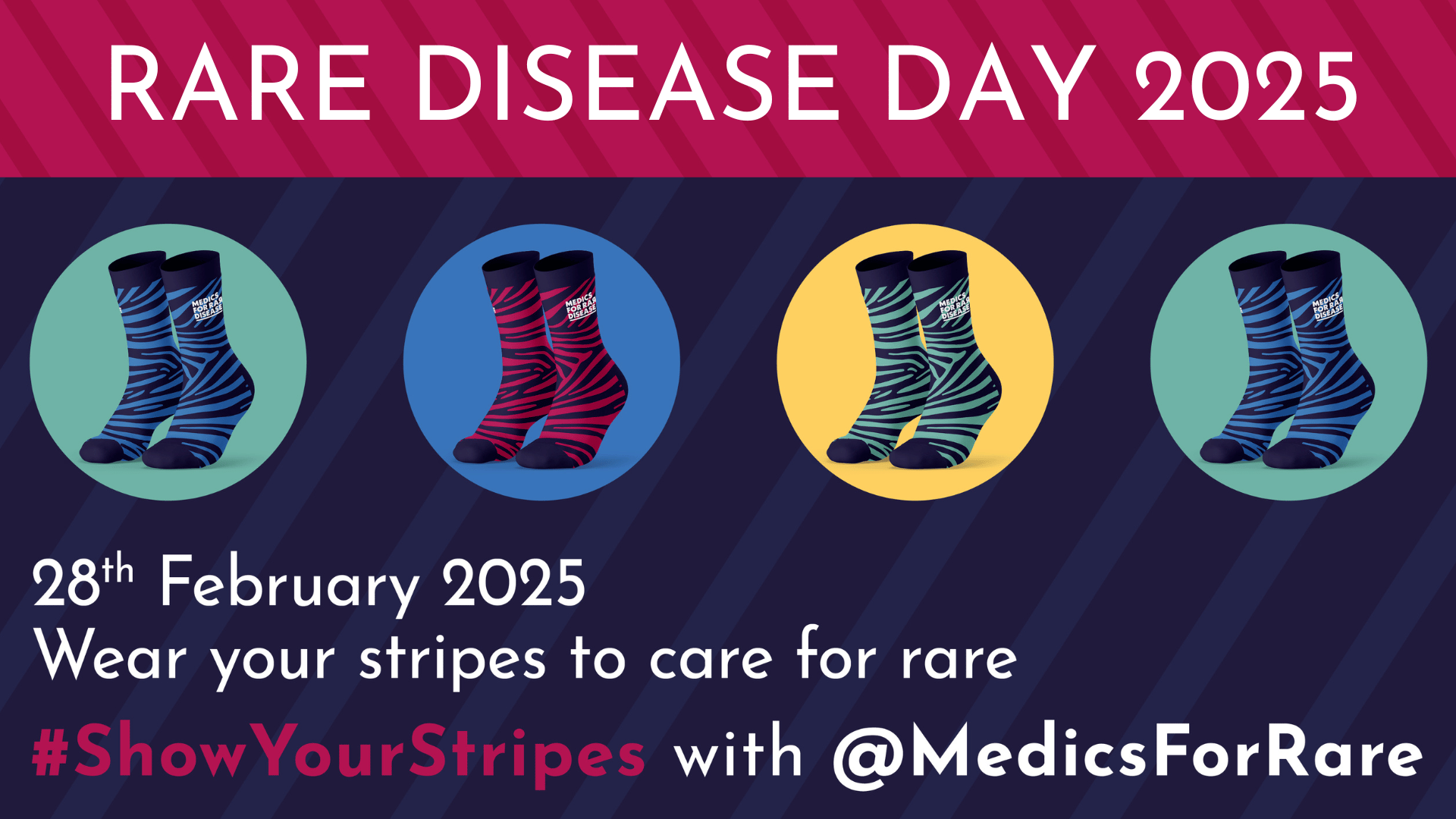
Calling All Healthcare Teams… Friday 28th February is Rare Disease Day Medics for Rare Disease, a UK registered charity, is asking healthcare professionals and healthcare students from UK and beyond, to join forces, to help drive rare disease awareness ...

Medics4RareDiseases is evolving. We are excited to announce a refresh of our strategy, a relaunch of our branding and even a new name! The charity has grown beyond our highest expectations over the last five years. With this ...

It was a great pleasure to meet with Tomas Jelinek (The Berlin Center for Travel and Tropical Medicine, Berlin, Germany) to discuss chikungunya virus, its health burden and the unmet needs in its prevention and treatment. Chikungunya virus is spread ...
Log into your Touch Account
Keep track of your clinical interests and newsletter subscriptions.
Sign up with an Email
Or use a .
Register now for FREE access
Already registered? Login below.