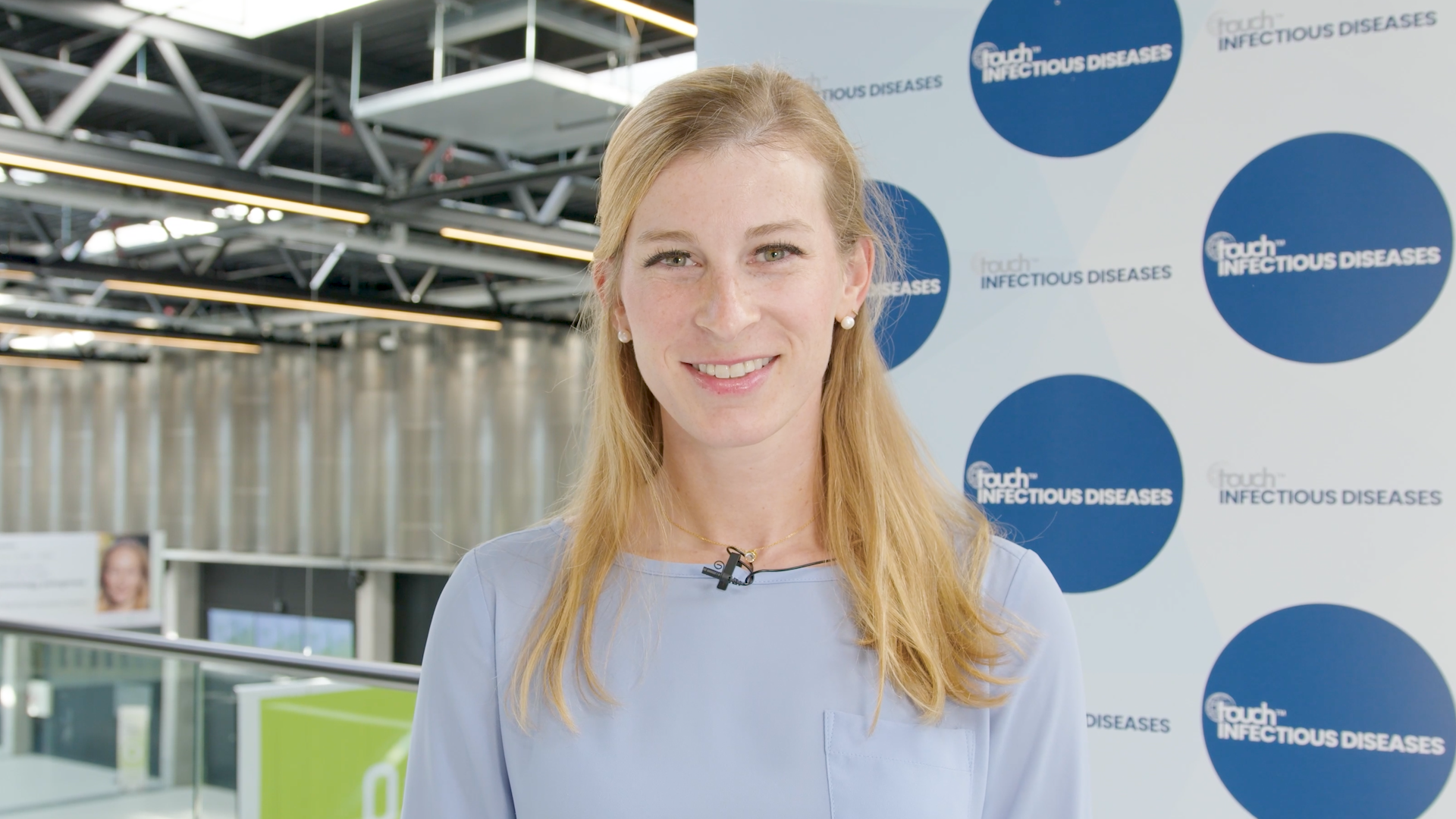

At IDWeek 2025, antimicrobial resistance once again dominated the discussion. In this interview, Dr Dariusz Hareza (Northwestern University Feinberg School of Medicine, Chicago, IL, USA) shares his insights on the sharp rise of New Delhi metallo-β-lactamase (NDM)-producing Enterobacterales, new oral antimicrobial options, and the evolving debates that are shaping infectious disease practice.
Across the sessions I attended, one theme stood out, the rapid rise in NDM-producing Enterobacterales.
Recent Centers for Disease Control and Prevention (CDC) and New York City surveillance reported 460% increases over the past five years. It’s still unclear why this is happening, some speculate it could be related to antibiotic use during COVID-19, global travel, or plasmid-mediated spread of resistance genes.1
In the New York data, Staten Island showed the largest spike, prompting questions about local factors. When researchers compared carbapenemases over time, KPC, VIM and IMP (carbapenemase enzymes) remained stable, while NDM rose dramatically.
At Northwestern, we’ve seen a similar trend, over a 300 % increase in NDM cases in just a few years. If this continues, NDM could soon surpass KPC as the most common carbapenemase in the US. That’s worrying, because we still have very few reliable treatments, and the new drugs haven’t been fully compared head-to-head. Right now, we’re working in a grey zone.
One exciting development was gepotidacin. It’s a first-in-class antibacterial that binds to a different site on DNA gyrase than fluoroquinolones. The drug isn’t brand new, but this year it was approved for Neisseria gonorrhoeae, giving us the first new oral treatment for gonorrhoea in decades. That’s a big deal.
Resistance to ceftriaxone and azithromycin is rising, and we currently rely solely on high-dose ceftriaxone. Gepotidacin offers a much-needed oral alternative when resistance limits options. The phase III trial data were reassuring as this drug could fill a critical gap in sexual-health care.
As for controversy, two debates caught everyone’s attention:
The first was vancomycin versus daptomycin as first-line therapy for Gram-positive bacteraemia. We’ve used vancomycin for decades and know its strengths and weaknesses well. Daptomycin might be easier to dose, but we still lack definitive evidence that it’s superior. It’s a healthy debate, and I expect the upcoming guideline updates will address it.
The second was the new UTI treatment guidance, recommending a seven-day course for men. The concern is that shorter therapy might miss undiagnosed prostatitis, which needs longer treatment. Diagnosing prostatitis is best done with a digital rectal exam, not something every clinician is comfortable or able to perform routinely. If we universally shorten therapy to seven days without properly evaluating for prostatitis, we may inadvertently undertreat some patients.
The biggest takeaway is the need for better local and molecular epidemiology.
You can’t treat what you don’t understand. Clinicians must know their local resistance patterns, circulating organisms, and patient characteristics. Without that information, antibiotic selection becomes guesswork.
Another area that deserves more attention is paediatric infectious diseases. Several sessions highlighted how little we know about appropriate dosing and safety in children. Many antibiotics simply lack paediatric data. That’s a critical research gap we need to close.
Overall, IDWeek reinforced the importance of surveillance, stewardship, and access, ensuring new drugs reach the patients who need them most, while preserving their effectiveness through evidence-based use.
Key takeaways
- NDM-producing Enterobacterales have increased up to 400 % in five years and may soon surpass KPC in prevalence.
- Gepotidacin offers the first new oral option for gonorrhoea in decades.
- Ongoing debates include vancomycin vs daptomycin and short-course UTI therapy in men.
- Improved local resistance data and paediatric research are urgently needed to guide future practice.
This content has been developed independently by Touch Medical Media for touchINFECTIOUS DISEASES. Views expressed are the speaker’s own and do not necessarily reflect the views of Touch Medical Media.
Speaker: Dariusz Hareza, MD. Division of Infectious Diseases, Northwestern University Feinberg School of Medicine, Chicago, IL, USA
Editor: Katey Gabrysch, Editorial Director.
Disclosures: This article was prepared independently by touchINFECTIOUS DISEASES in collaboration with Dr Dariusz Hareza. The content was developed and edited by human editors. No fees or funding were associated with its publication. touchINFECTIOUS DISEASES utilises AI as an editorial tool (ChatGPT (GPT-4o) [Large language model]. https://chat.openai.com/chat).
Dariusz Hareza has nothing to disclose in relation to this interview.
Cite: Dariusz Hareza. NDM resistance trends and novel antibacterials in focus: IDWeek highlights 2025. touchINFECTIOUS DISEASES. 30 October 2025.
Reference: CDC Newsroom. CDC Report Finds Sharp Rise in Dangerous Drug-Resistant Bacteria. 2025. Available at: https://www.cdc.gov/media/releases/2025/2025-cdc-report-finds-sharp-rise-in-dangerous-drug-resistant-bacteria.html (accessed 29 October 2025).
Register now to receive the touchINFECTIOUS DISEASES newsletter!
Don’t miss out on hearing about our latest peer reviewed articles, expert opinions, conference news, podcasts and more.